CALL 626.357.3535

Whole House Fan or Central AC? Smart Choices = Energy Savings
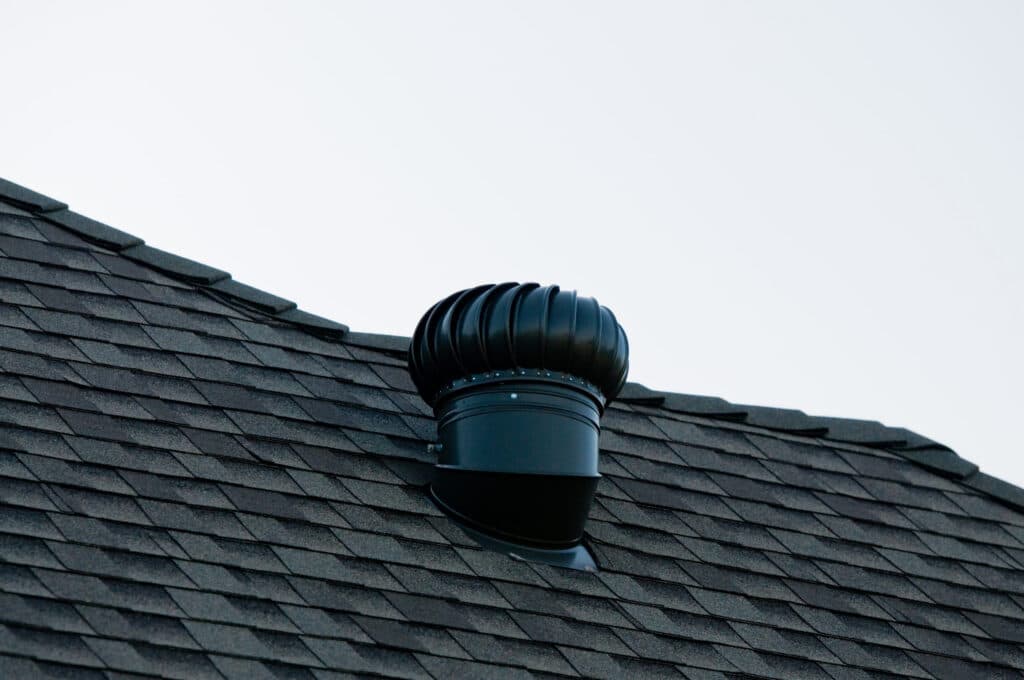
Whole House Fans vs. Central Air Conditioning: When and Why to Use Each
Summer heat arrives early and stays late across Monrovia, the San Gabriel Valley and surrounding communities. Homeowners constantly weigh comfort against rising electricity bills. Two popular tools sit at the center of that decision: a whole house fan and central air conditioning. Each has clear strengths. Knowing exactly when and why to use one, the other, or both together can cut cooling costs dramatically while keeping your family comfortable.
A whole house fan works by creating negative pressure that pulls cooler outdoor air in through open windows and pushes warm indoor air out through the attic. Central air conditioning, by contrast, recirculates and refrigerates the air already inside your home. The difference in energy use is enormous. According to the U.S. Department of Energy, whole house fans can reduce cooling costs by 50-90% percent when outdoor temperatures are lower than indoor temperatures. That kind of savings matters when Southern California Edison summer peak rates climb sharply between 4 p.m. and 9 p.m. on weekdays.
If you are still deciding which path makes sense for your home, keep reading. We will walk through the practical differences, the climates and home types that favor each option, maintenance realities, and the hybrid approach most of our clients ultimately love.
Ready for personalized advice right now? Call Air-Tro at (626) 357-3535. Our team has kept homes comfortable since 1969 and is happy to evaluate your specific situation at no charge.
How a Whole House Fan Actually Works
A whole house fan is typically mounted in the ceiling between living space and attic. When you turn it on and open a few windows, it draws in fresh outdoor air and exhausts hot, stale air into the attic and out through roof vents. Modern models are far quieter and more compact than the bulky units of decades past. Many achieve more than fifteen air changes per hour, which also improves indoor air quality by flushing out allergens, cooking odors, and excess humidity.
The fan shines during those classic cool evenings and early mornings that define so much of our local climate. Once outdoor air drops below indoor temperature, the fan can drop the temperature of your entire house in 30-60 minutes while using only a few hundred watts. Compare that with a central air conditioner that may draw 3,000-5,0000 watts or more. You can learn more about the energy-saving power of these systems on our page – Meet Your Best Energy Saver: the Whole House Fan.
When Central Air Conditioning Remains the Better Choice
Central air conditioning still wins on hot days when outdoor temperatures stay high after dark, during periods of poor outdoor air quality, or when you need precise temperature and humidity control. It recirculates air through sealed ducts, filters, and a refrigerated coil, delivering consistent comfort regardless of what is happening outside. Homes with limited attic ventilation, open floor plans that make pressure balancing difficult, or family members with severe allergies often rely primarily on central air.
If your current system is aging, our guide Choosing a New Central AC System for Your Home: What to Consider walks through efficiency ratings, sizing, and long-term value. Many homeowners also pair a new high-efficiency unit with a smart thermostat, so they can pre-cool during cheaper off-peak hours and ease the load during the expensive 4 p.m. to 9 p.m. window.
Energy and Cost Considerations for Local Homes
Electricity rates matter more than ever. Under Southern California Edison’s common residential time-of-use plans, summer weekday peak hours of 4 p.m. to 9 p.m. carry the highest rates. A whole house fan lets you pre-cool the home in the evening and early morning for pennies per hour, then coast through the peak period with the air conditioner set higher or even off.
Central air alone, especially an older system, can drive bills significantly higher during those same hours. Combining both strategies often delivers the best results, running the whole house fan whenever outdoor air is cool enough, and relying on central air only when it is truly needed. Our article Keep Your Home Cool & Still Save Money on Air Conditioning explains additional time-of-use tactics that pair perfectly with a whole house fan.
Comfort, Indoor Air Quality, and Health Impacts
Whole house fans excel at rapid ventilation. They bring in large volumes of fresh outdoor air and exhaust indoor pollutants. That can be a major advantage on days when outdoor air is clean. During wildfire smoke events or high pollen days, however, you will want to keep windows closed and rely on your central system’s filtration. Many modern central systems can be upgraded with high-MERV filters or whole-home air cleaners for even better protection.
If better airflow and fresher air are priorities in your home, explore our ventilation options at 3 Home Ventilation Options to Keep You Cool. A whole house fan is often the simplest and most effective of those options for many houses.
Ideal Home Types and Installation Realities
Whole house fans work best in homes with adequate attic ventilation, openable windows on opposite sides of the house for good cross-flow, and a relatively simple floor plan. Single-story and two-story homes both succeed when the fan is properly sized. Homes with complex layouts, limited attic space, or very tight construction may need careful design or may lean more heavily on central air.
Installation should always be handled by a qualified HVAC professional. The fan must be correctly sized to the square footage and attic volume, sealed properly, and equipped with an insulated damper, so it does not leak conditioned air when not in use. Air-Tro handles the entire process, including any needed attic improvements, so the system performs quietly and efficiently for years.
Call us at (626) 357-3535 if you would like an assessment of whether your home is a good candidate.
Maintenance Differences That Affect Long-Term Ownership
A whole house fan is refreshingly low-maintenance. Keep the attic free of debris, clean the grille occasionally, and check the damper once or twice a year. Most units last 15-20 years or longer with almost no service calls.
Central air conditioning requires more attention. Filters need regular replacement, coils should be cleaned annually, and a professional tune-up each spring keeps efficiency high and prevents mid-summer breakdowns. Our residential HVAC repair and maintenance services make that process simple and proactive.
Many of our clients discover that adding a whole house fan actually reduces wear and tear on their central air system because the compressor runs fewer hours each season. That can extend the life of an expensive piece of equipment and delay the need for full replacement.
The Hybrid Approach Most Homes Benefit From
In our experience, the smartest solution for the majority of homes is not an either-or choice. Install a quiet, modern whole house fan and keep a well-maintained central air system. Use the fan freely on cool evenings and mornings. Close the windows and switch to air conditioning when outdoor conditions turn hot, smoky, or humid. Program a smart thermostat to help automate the transition. The result is lower bills, better air quality most of the time, and reliable comfort when you need it most.
If you already have a central system, adding a whole house fan is often one of the highest-return energy upgrades available. Pasadena Water and Power even offers a rebate of $75 (plus an extra $25 if the unit is purchased in Pasadena) for qualifying whole house fans. Details are available directly on the Pasadena Water and Power whole house fan rebate page.
We proudly serve homeowners throughout the San Gabriel Valley and surrounding communities, including Pasadena, Monrovia, Arcadia, Sierra Madre, Altadena, La Cañada Flintridge, San Marino, Duarte, Glendora, Glendale, La Crescenta, Tujunga, and nearby neighborhoods. Wherever you are in our service area, the same principles apply.
Frequently Asked Questions
How Much Energy Does a Whole House Fan Actually Save Compared With Central Air? A properly used whole house fan can reduce cooling costs by 50-90% percent on days when outdoor air is cooler than indoor air, according to the U.S. Department of Energy. Actual savings depend on climate, home tightness, and how consistently you use the fan.
Can I Use a Whole House Fan and Central Air Conditioning Together? Yes, and most homeowners get the best results that way. Use the fan whenever outdoor temperatures allow free cooling, then switch to air conditioning only when needed. This hybrid strategy is covered in more detail on our hot days and cool nights energy-saving page.
Is a Whole House Fan Noisy? Older models could be loud, but today’s units are engineered for quiet operation. Proper installation and an insulated damper further reduce sound. Most of our clients are surprised by how little they notice the fan once it is running.
Do I Need Special Attic Ventilation for a Whole House Fan? Yes. The attic must have enough free vent area so the fan can exhaust air without pressurizing the attic. We evaluate and, if necessary, improve attic ventilation as part of every installation.
Will a Whole House Fan Help With Indoor Air Quality? It can dramatically improve air quality by rapidly exchanging indoor air for fresh outdoor air. On days with clean outdoor air this is a big benefit. On high-pollen or wildfire-smoke days you simply keep the windows closed and use your central system’s filtration instead.
How Long Does Installation Take? Most whole house fan installations are completed in a single day. We handle sizing, electrical, sealing, and any attic work so the system is ready to use the same evening.
What Size Whole House Fan Does My Home Need? Sizing depends on square footage and the volume of air that needs to be moved. An undersized fan will not cool effectively, while an oversized one can create too much pressure or noise. Professional sizing is essential and is always included when you work with Air-Tro.
Are There Rebates Available? Yes. Pasadena Water and Power currently offers a $75 rebate for qualifying whole house fans, with an additional $25 if the unit is purchased inside Pasadena. Other utilities sometimes offer incentives as well. We can help you confirm current offers for your address.
Choose the Right Cooling Strategy for Your Home and Start Saving With a Whole House Fan vs Central Air Approach
The choice between a whole house fan and central air conditioning does not have to be permanent or exclusive. Understanding when each option shines lets you enjoy cooler evenings for pennies, protect your comfort on the hottest days, and keep more money in your pocket. Whether you are ready to add a quiet modern whole house fan, upgrade an aging air conditioner, or simply want an expert walkthrough of your options, Air-Tro is here to help. Call us today at (626) 357-3535 or learn more about our cooling services to schedule a free consultation. Our team has served the San Gabriel Valley and surrounding communities since 1969 and looks forward to helping you create a more comfortable, energy-efficient home.