CALL 626.357.3535

Furnace Components Explained: Functions, Issues, and Gas Valve Replacement Costs
Furnace Components Explained: Functions, Common Issues, and Repair Costs
Understanding the inner workings of your furnace goes a long way toward spotting problems early and making informed decisions about repairs. This guide focuses on the key furnace components, their roles in keeping your home warm, typical signs of trouble, and what to expect when repairs are needed – particularly for gas valve replacements.
Whether you’re noticing uneven heating or strange noises, knowledge of these parts empowers you as a home or business owner. Air-Tro has been helping families in the San Gabriel Valley stay comfortable since 1969. If something doesn’t seem right with your system, give us a call for an honest assessment.
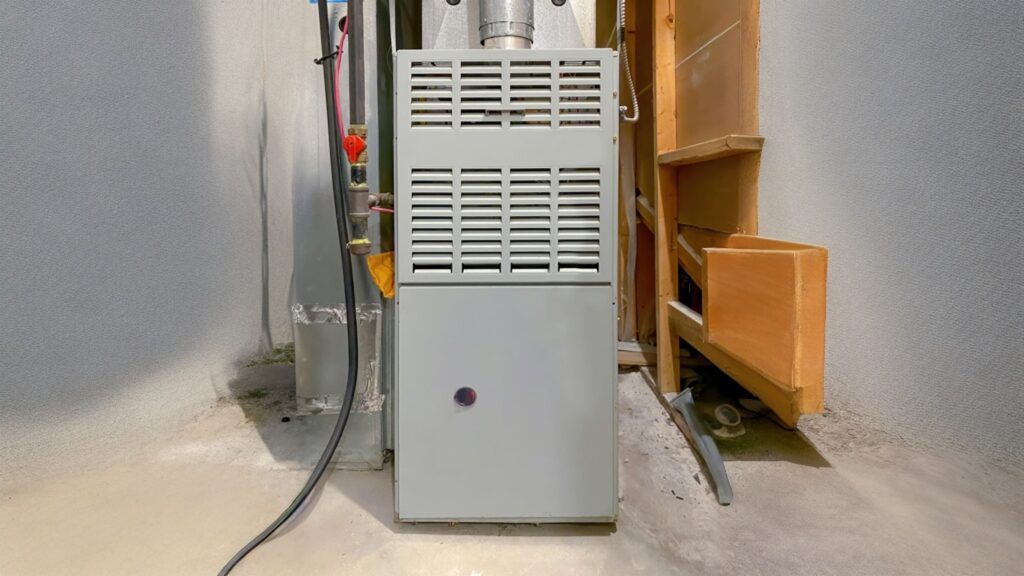
Breaking Down the Essential Furnace Components
A typical gas furnace relies on a coordinated set of parts to produce and distribute heat efficiently. Here’s a closer look at the most important ones:
- Thermostat: Acts as the brain, sensing room temperature and signaling the furnace to cycle on or off.
- Gas Valve: Controls the precise flow of natural gas to the burners – a vital safety feature that prevents leaks or over-supply.
- Igniter: Generates the heat or spark to ignite the gas; most modern units use durable hot surface igniters.
- Heat Exchanger: Separates combustion gases from the air you breathe, transferring heat safely.
- Blower Motor: Pushes heated air through ducts into your rooms.
- Flame Sensor: Monitors for an active flame and shuts down gas flow if none is detected.
- Draft Inducer Motor: Ensures proper venting of exhaust gases outdoors.
These components typically last 15 to 20 years with proper care.
Common Problems Tied to Furnace Components
Wear and tear affects different parts in predictable ways. For instance:
- A failing igniter might cause clicking sounds without ignition.
- Dirt buildup on the flame sensor can lead to frequent shutdowns.
- Cracks in the heat exchanger pose serious safety concerns and often require full system replacement.
The blower motor may squeal or struggle if bearings wear out, reducing airflow. And the gas valve, exposed to constant cycling, can stick or fail electronically over time.
If you’re experiencing inconsistent heat or higher energy bills, one of these components could be the source. Our technicians at Air-Tro can pinpoint the exact issue quickly – reach out for a diagnostic visit.
Gas Valve Issues and Replacement Costs
The gas valve stands out as both a critical safety device and a common repair item. Signs of trouble include no heat at all, short cycling, or unusual odors indicating incomplete combustion.
Replacement costs generally range from $500 to $1200, including the part and professional labor. Factors like system age, brand compatibility, and accessibility influence the final price.
Because this involves natural gas, always leave diagnosis and replacement to licensed professionals – no DIY shortcuts here.
Suspect your gas valve? Contact Air-Tro today. We offer upfront pricing and efficient service across Greater Los Angeles.
Basic Troubleshooting Steps for Home- and Business Owners
While major repairs need expert hands, you can safely check a few basics tied to these components:
- Verify thermostat settings and batteries.
- Replace the air filter if dirty – restricted airflow stresses the blower and other parts.
- Ensure power is reaching the unit (check switches and breakers).
- Clear vents and registers of blockages.
- Listen for diagnostic clues, like unusual cycling that might point to the gas valve or sensor.
These steps often resolve minor glitches.
Maintenance Tips to Protect Your Furnace Components
Annual professional tune-ups clean critical parts, catch wear early, and optimize efficiency. The U.S. Department of Energy notes that well-maintained furnaces use less energy and last longer.
Home- and business owners can help by changing filters regularly and keeping the area around the unit clear.
Learn more about our maintenance plans or full heating services.
We serve communities throughout the San Gabriel Valley, including Sierra Madre, Arcadia, San Marino, and Altadena.
Frequently Asked Questions
What Are the Primary Furnace Components? Key parts include the thermostat, gas valve, igniter, heat exchanger, blower motor, flame sensor, and draft inducer motor.
How Do I Know If My Furnace Gas Valve Needs Replacement? Watch for no heat, short cycling, clicking without ignition, or gas odors – professional diagnosis is essential.
What Is the Typical Cost for Furnace Gas Valve Replacement? Expect $500 to $1200 total, covering parts and labor, though exact amounts vary by system.
Which Furnace Component Fails Most Often? Igniters, flame sensors, and blower motors see frequent issues due to constant use and dirt exposure.
How Can I Extend the Life of My Furnace Components? Schedule yearly tune-ups, change filters often, and address small problems promptly.
Protect Your Furnace Components with Expert Care from Air-Tro
Grasping your furnace components – from daily functions to potential repair needs like gas valve replacement costs – helps you maintain a reliable, efficient system year after year.
Ready to ensure everything is working smoothly? Trust Air-Tro’s local experts for thorough inspections and repairs. Call or book service online to schedule today.