CALL 626.357.3535

2026 Residential Air Filter Guide: MERV Ratings and Best Choices
MERV Ratings Explained: Finding the Best Air Filters for Your Los Angeles Home in 2026
Many homeowners across the Los Angeles area, from Monrovia to Pasadena and the surrounding communities, want clearer answers about air filters. You change them, but do you really know which type or rating delivers the best results for your specific home and the air you breathe every day? Local conditions like seasonal pollen, urban dust, and occasional wildfire smoke make the choice more important here than in many other parts of the country.
This guide from your experts at Air-Tro brings together straightforward explanations of MERV ratings, a balanced look at electrostatic versus pleated filters, practical replacement advice, and recommendations tailored to homes in our service area. By the end, you will have a clearer picture of what works well in 2026 and when it makes sense to bring in a local professional for an assessment.
Why Your Air Filter Choice Matters in Los Angeles Area Homes
Your HVAC system pulls in air from outside and recirculates it through your home. In the Greater Los Angeles region, that air often carries a mix of pollen, fine dust, pet dander, and, during certain seasons, smoke particles from wildfires. The filter sitting in your system acts as the first line of defense.
The U.S. Environmental Protection Agency notes that indoor air quality can be significantly affected by how well your filter captures particles. A filter that matches your system and your household needs helps reduce what gets circulated while also protecting the equipment from dust buildup that can lead to higher energy use and more frequent repairs.
Homes in Monrovia, Pasadena, and nearby areas often face additional considerations. Older homes may have systems not originally designed for the highest-efficiency filters, while newer or recently upgraded systems can sometimes handle higher ratings without airflow problems. During wildfire smoke events, the South Coast Air Quality Management District specifically recommends filters rated MERV 13 or higher when compatible, along with regular changes and keeping windows closed.
If you have noticed more dust on surfaces, stronger allergy symptoms indoors, or higher energy bills than expected, your current filter could be part of the picture. Many residents we speak with are surprised at the difference a better-matched filter makes once it is installed and maintained properly.
Not sure what is currently installed or whether it is still effective? Our team serves Monrovia, Pasadena, and the surrounding communities and can take a quick look during a routine visit or maintenance call. Reach out anytime at (626) 357-3535 for straightforward guidance.
MERV Ratings & What They Mean for Your Home
MERV stands for Minimum Efficiency Reporting Value. It is the standard rating system that tells you how well a filter captures particles of different sizes, from larger dust and pollen down to much smaller particles you cannot see.
The rating comes from testing defined by the American Society of Heating, Refrigerating and Air-Conditioning Engineers (ASHRAE). Higher numbers generally mean better capture of smaller particles, but that does not automatically make the highest rating the best choice for every home. The right fit depends on your system’s fan strength, the filter slot size, and how often you are willing to change or clean the filter.
Here is a practical breakdown homeowners in our area find useful:
MERV 1 – 4: These basic filters catch some of the larger particles like dust mites and pollen but do very little with smaller ones. They are inexpensive and create almost no airflow resistance, which can suit older systems or temporary use. Most homes eventually outgrow them if anyone deals with allergies or if you want better overall air quality.
MERV 5 – 8: This range is common in many residential systems. These filters do a noticeably better job with mold spores, dust, and some pet dander. Pleated versions in this range offer more surface area than flat fiberglass filters, which helps them last a bit longer and trap more without immediately restricting airflow.
MERV 9 – 12: Filters in this range capture a good percentage of smaller particles, including many allergens and finer dust. They strike a balance that works well for many families in the Los Angeles area who want improved air quality without pushing their system too hard. The U.S. Environmental Protection Agency often points to this general range (or MERV 13 when the system allows) as a meaningful upgrade for many homes.
MERV 13 and Higher: These capture even smaller particles effectively and are frequently recommended during periods of poor outdoor air quality, such as wildfire smoke events. However, they can restrict airflow more than lower-rated filters if your system was not designed or adjusted for them. Always check with a qualified technician before moving up this high.
The key takeaway for most Monrovia and Pasadena homeowners is to choose the highest MERV rating your system can handle comfortably while still changing the filter on schedule. Going too high on an incompatible system can actually reduce efficiency and comfort.
Electrostatic versus Pleated Filters: Which Fits Your Situation?
Two options you will see often are pleated filters and electrostatic filters. Both can perform well, but they work differently and suit different priorities.
Pleated filters use folded media to create more surface area inside the same frame size. This design helps them trap more particles across a range of sizes compared with flat fiberglass filters. They are widely available, relatively affordable, and disposable. Many homeowners in our service area like them because they are simple to swap out and come in a variety of MERV ratings that match common residential systems.
Electrostatic filters use an electric charge to attract and hold particles, including some very fine ones. Some versions are washable and reusable, which appeals to people who prefer to reduce waste. They can maintain good efficiency when cleaned regularly (typically rinsing under water once a month and letting them dry completely). However, if cleaning is skipped, performance drops. Disposable electrostatic versions exist too and can offer strong fine-particle capture without the maintenance step.
Neither type is automatically superior for every home. A well-made pleated filter in the right MERV range often provides the best everyday balance of filtration, airflow, and convenience for families in the Los Angeles area. Electrostatic options can make sense if you prefer a reusable filter and are diligent about monthly cleaning, or if your household has specific sensitivities where the electrostatic attraction helps with very fine particles.
The most important step is matching the filter to your exact system. An electrostatic or high-MERV pleated filter that restricts airflow too much can make your HVAC work harder, raise energy costs, and reduce comfort. Our technicians routinely check compatibility during service calls so you get the performance you expect without creating new problems.
Wondering whether your current filter is the right type or rating for your system? Give us a call at (626) 357-3535 or schedule a visit. We serve Monrovia, Pasadena, and the surrounding areas and can review what you have installed right now.
Other Filter Types Worth Knowing About
Beyond pleated and electrostatic, you may encounter a few other common options:
- Fiberglass or Flat Panel Filters: Inexpensive and low-resistance, but they capture far less than pleated or higher-MERV options. Best for very short-term or basic protection only.
- Media or Extended-Surface Filters: These are thicker pleated-style filters that can last longer (sometimes 6 – 12 months) while maintaining good efficiency. They work well in systems that can accommodate the depth and are popular with homeowners who want fewer changes.
- HEPA or True HEPA Filters: These capture 99.97% of particles at 0.3 microns, which sounds ideal. In practice, many residential HVAC systems are not designed for the airflow resistance they create. The U.S. Environmental Protection Agency advises choosing the highest efficiency your system can handle without issues. Portable HEPA air cleaners in individual rooms are often a better route when whole-house HEPA is not practical.
For most homes we work on in the Monrovia and Pasadena area, a quality pleated filter in the MERV 8 – 13 range (when compatible) or a well-maintained electrostatic option gives the best everyday results without complications. For more information about improving air in your home, read our air quality guide for additional tips.
How Often Should You Replace or Clean Your Filter?
There is no single schedule that fits every household. The usual guidance is every 30 to 90 days, but several local factors can shorten that window:
- Pets that shed or homes with allergy sufferers often need changes every 30 days.
- During or after wildfire smoke events, check and change more frequently because the filter loads faster.
- Larger homes or systems that run many hours a day in hot weather may need more frequent attention.
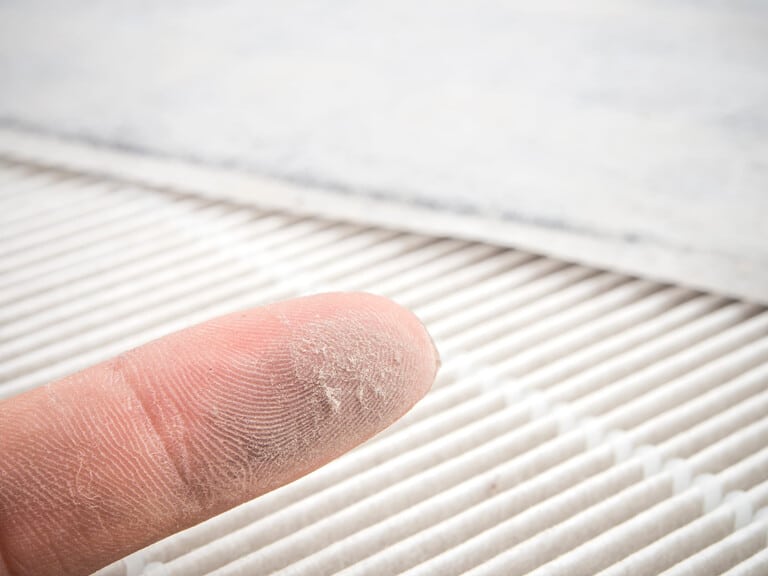
- If you notice gray or dusty buildup when you check the filter, or if airflow from vents feels weaker than usual, it is time.
Signs that your filter needs attention include more frequent dusting, musty or stale smells when the system runs, or family members experiencing increased allergy or respiratory symptoms indoors. A quick visual check once a month takes only a minute and prevents bigger issues later.
If you would rather not track it yourself, many of our maintenance plans include regular filter inspections and replacements as part of the service. It removes the guesswork and keeps your system running efficiently year-round.
Best Air Filter Choices for Monrovia, Pasadena, and Surrounding Areas Homes in 2026
As we move through 2026, the priorities for many local homeowners remain consistent – better everyday air quality, protection during smoke events, reasonable energy costs, and filters that actually fit their systems without causing problems.
The strongest approach for most homes is to select the highest MERV-rated pleated or appropriate electrostatic filter your system can support, change or clean it on a realistic schedule, and have a professional confirm compatibility if you are upgrading. During periods of poor outdoor air quality, having a MERV 13 (or higher, if compatible) on hand and changing it promptly makes a meaningful difference according to guidance from the South Coast Air Quality Management District.
Pairing good filtration with other sensible steps – such as keeping windows closed on high-pollen or smoky days, using exhaust fans when cooking or showering, and considering a portable air cleaner in key rooms – gives you layered protection without overcomplicating things.
Every home and every HVAC system is a little different. What works well in a newer Pasadena home with a high-efficiency system may not be ideal for an older Monrovia property with original ductwork. That is why personalized advice from someone who knows the local housing stock and common system types is so valuable.
Ready for a clear recommendation tailored to your home? Contact Air-Tro today. We provide filter assessments, professional installation, and ongoing maintenance throughout Monrovia, Pasadena, and the surrounding Los Angeles area communities. Call (626) 357-3535 or request service online – we are happy to help you make the right choice without pressure.
Frequently Asked Questions About Residential Air Filters
What Do MERV Ratings Actually Mean for My Home? MERV ratings measure how effectively a filter captures particles of different sizes, from larger dust and pollen down to much smaller ones. Higher ratings generally capture more of the finer particles that can affect allergies and indoor air quality. The U.S. Environmental Protection Agency explains that the rating helps compare filters for furnace and central HVAC systems. Choose the highest rating your system can handle without restricting airflow.
How Do Electrostatic Filters Compare to Pleated Filters? Pleated filters use folded media for more surface area and solid performance across common particle sizes. They are simple to replace and widely available in various MERV ratings. Electrostatic filters use an electric charge to attract particles and can be very effective at finer sizes; some are washable and reusable with monthly rinsing. The best choice depends on your priorities – convenience and balance often favor quality pleated filters, while reusable options appeal if you maintain them consistently.
What Is the Best Air Filter for Most Homes in the Los Angeles Area? For many households in Monrovia, Pasadena, and nearby communities, a pleated filter in the MERV 8 – 13 range (when your system supports it) offers a strong balance of filtration performance, airflow, and practicality. During wildfire smoke events, MERV 13 or higher is often recommended when compatible. A local technician can confirm what your specific system can handle.
How Often Should I Change My Air Filter? Most homes do well with changes every 30 to 90 days. Homes with pets, allergies, or exposure to wildfire smoke usually need more frequent changes – sometimes every 30 days or sooner during poor air quality periods. Check the filter visually once a month; if it looks gray or dusty or if airflow feels reduced, replace it.
Can a Higher MERV Filter Damage My HVAC System? Not if it is compatible. However, a filter that is too restrictive for your system’s fan can reduce airflow, make the equipment work harder, and raise energy costs. The U.S. Environmental Protection Agency advises selecting the highest efficiency your system can accommodate without issues. Have a professional check before upgrading.
Are Washable Electrostatic Filters Worth the Maintenance? They can be, if you are consistent about rinsing them monthly under water and allowing them to dry fully before reinstalling. Skipping cleaning reduces their effectiveness quickly. Many homeowners prefer disposable pleated filters for the simplicity of regular swaps without extra steps.
What Should I Do During Wildfire Smoke Events? Keep windows and doors closed, run your HVAC on recirculate if possible, and use a MERV 13 or higher filter if your system allows. The South Coast Air Quality Management District also suggests having a portable HEPA air cleaner for a “clean room” in your home. Change the HVAC filter more frequently during these periods.
Do I Need a True HEPA Filter for My Whole House? True HEPA captures an extremely high percentage of very small particles, but many residential systems cannot handle the airflow resistance without modifications. The U.S. Environmental Protection Agency notes that you should choose the highest efficiency level your system can support. Portable HEPA units in bedrooms or main living areas are often a practical complement.
Will a Better Filter Lower My Energy Bills? A clean, properly matched filter helps your system run more efficiently by maintaining good airflow. A clogged or poorly matched filter forces the equipment to work harder, which can increase energy use. Regular changes and the right rating for your system support better efficiency over time.
Where Can I Get Help Choosing and Installing the Right Filter? Local experts who know the common systems in Monrovia, Pasadena, and surrounding neighborhoods can review your setup and recommend options that fit without creating new issues. Professional installation ensures the filter seats correctly and your system performs as expected.
Can I Just Buy Any High-MERV Filter Online? You can, but fit and compatibility matter more than the rating alone. A filter that is the wrong size or too restrictive for your system will not deliver the results you want and can cause problems. Measuring your current filter and confirming compatibility with a technician is the safer route for most homeowners.
What Else Helps Improve Indoor Air Quality Besides the Filter? Regular HVAC maintenance, sealing obvious duct leaks, using exhaust fans in kitchens and bathrooms, and controlling indoor humidity all contribute. During poor outdoor air days, keeping windows closed and adding a portable air cleaner in key rooms provides extra protection alongside your central filter.
Ready to Improve Your Home’s Air Quality with the Right Filter Choices in 2026?
Choosing the right air filter for your Monrovia, Pasadena, or surrounding Los Angeles area home does not have to be complicated once you understand MERV ratings, the practical differences between electrostatic and pleated options, and how local conditions like wildfire smoke affect your needs. The best results come from matching the filter to your specific system, staying on top of regular changes or cleanings, and getting professional confirmation when you want to upgrade.
If you would like personalized recommendations, a system check, or help with professional filter service, Air-Tro is here for you. We have been serving the Greater Los Angeles area since 1969 and know the homes and systems in this community well. Contact us today at (626) 357-3535 or request service online. We will help you select and maintain the right solution, so your family enjoys cleaner, more comfortable air all year long.