CALL 626.357.3535

100 Ways to Save Electricity and Lower Your Bill in Pasadena
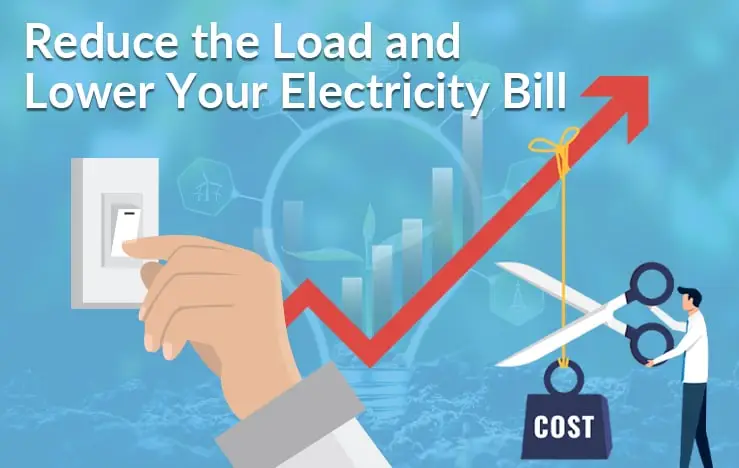
100 Ways to Save Electricity and Lower Your Bill in Your Pasadena Home
Living in Pasadena means dealing with those warm summers and occasional chilly winters, but it doesn’t have to mean sky-high energy bills. At Air-Tro, we’ve helped countless homeowners cut costs while staying comfortable year-round. Imagine trimming your monthly utility expenses without sacrificing that perfect indoor temperature – it’s easier than you might think. Simple changes around the house, smarter appliance use, and a few HVAC tweaks can add up to real savings. For instance, according to the U.S. Department of Energy, regularly cleaning or replacing your air conditioner filters can boost system efficiency and potentially reduce energy use.
So, let’s explore 100 practical tips for saving electricity, grouped for easy reading.
For example, did you know that the Department of Energy reports that you can reduce up to 15% on your energy bill just by replacing your HVAC air filter?
Everyday Habits Around the House
Start with the basics: sealing up your home to keep conditioned air where it belongs. These steps are quick wins for any Pasadena resident looking to conserve energy.
1. Apply weather stripping to seal window leaks, preventing energy loss between indoors and out. This affordable fix can deliver 5–10% energy savings, per the U.S. Department of Energy.
2. Avoid using fireplaces on cold days and always close the flue to trap warm air inside.
3. Open curtains and shades on sunny winter days to let natural warmth flood in.
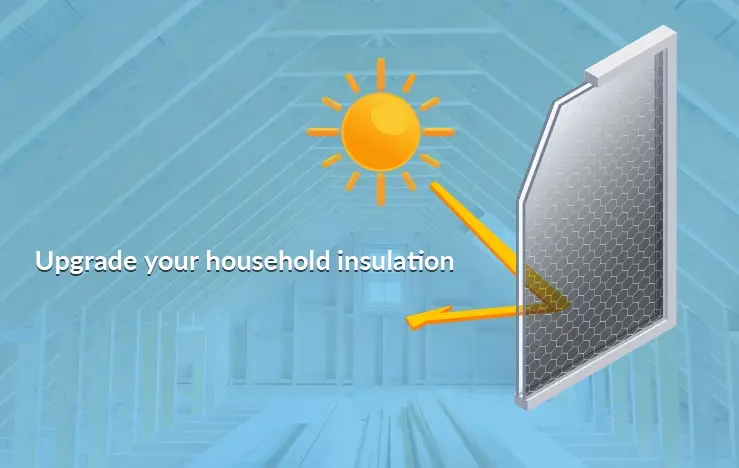
4. Check if your home needs better insulation – upgrading to fiberglass or foam can make a big difference in efficiency.
5. Stock up on throws, duvets, and blankets for cozy evenings without cranking the heat.
6. Use door snakes to block under-door drafts.
7. Insulate attic stairwell openings to stop warm air from escaping.
8. Install window shutters for added insulation and a stylish touch.

9. Close blinds and drapes on hot days to block out heat-generating sunlight.
10. Skip portable heaters when possible – they’re energy hogs and can pose safety risks.
11. Add insulation behind walls for long-term efficiency gains.
12. Cover bare floors with rugs or carpets to insulate against cold.
13. Keep interior doors open to promote even airflow throughout the house.
14. Ensure exterior windows and doors stay closed when running heating or cooling.
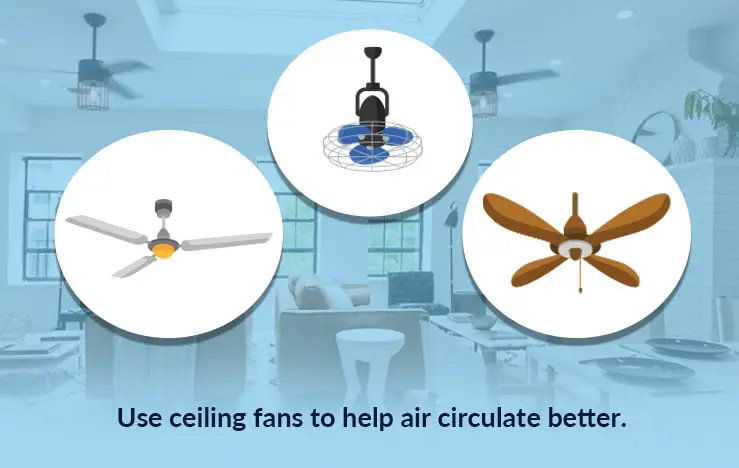
15. Run ceiling fans to circulate air and make rooms feel more comfortable.
16. Draw shades and curtains at night in cooler months to retain indoor heat.
17. Upgrade to insulated glass windows for superior energy retention.
18. Inspect attics and basements for cracks or holes leading outside.
19. Verify your insulation is dry and undamaged – pests or leaks can reduce its effectiveness.
20. Turn off kitchen or bathroom fans right after use to avoid pulling out conditioned air.
21. Leave the kitchen door open while cooking in winter to spread warmth house-wide.
22. Replace outdated doors with energy-efficient models that also enhance curb appeal.
23. Cover glass doors with drapes or shades for extra insulation.
24. Consult an HVAC pro about adding an attic fan for hot days, but only if venting is suitable.
Feeling the pinch from drafts or uneven temperatures? Our team at Air-Tro can inspect your home’s insulation and seals – reach out today for a consultation at contact us.
Smart Choices for Appliances and Lighting
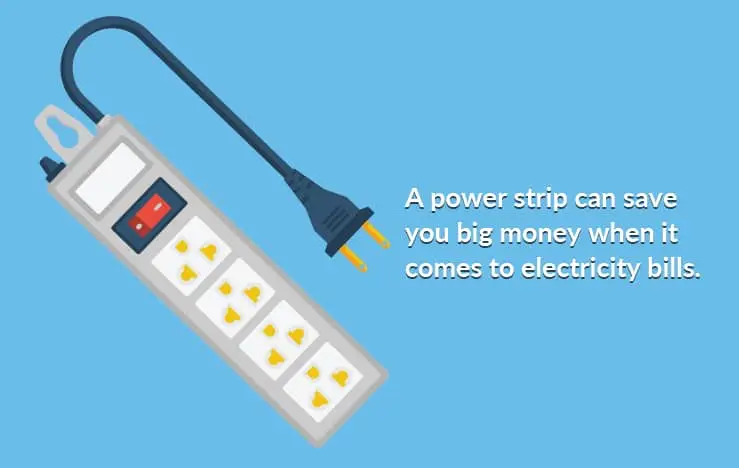
25. Plug devices into power strips and switch them off when not in use – items draw “phantom” power even when idle.
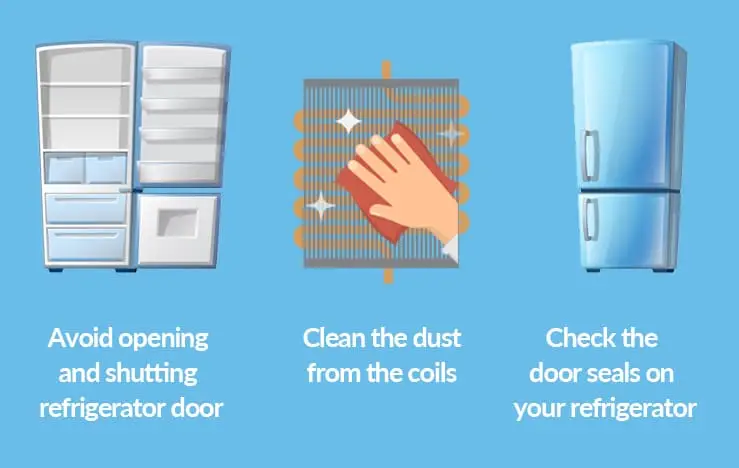
26. Minimize fridge door openings to keep cold air inside.
27. Clean dust from fridge coils for better cooling performance.
28. Test refrigerator door seals; replace if they’re worn to prevent energy leaks.
29. Keep your garbage disposal clean so it runs smoothly without extra effort.
30. Set your water heater to 120 degrees Fahrenheit – it’s plenty hot for daily needs and helps conserve energy while preventing scalds, as noted by the U.S. Department of Energy.
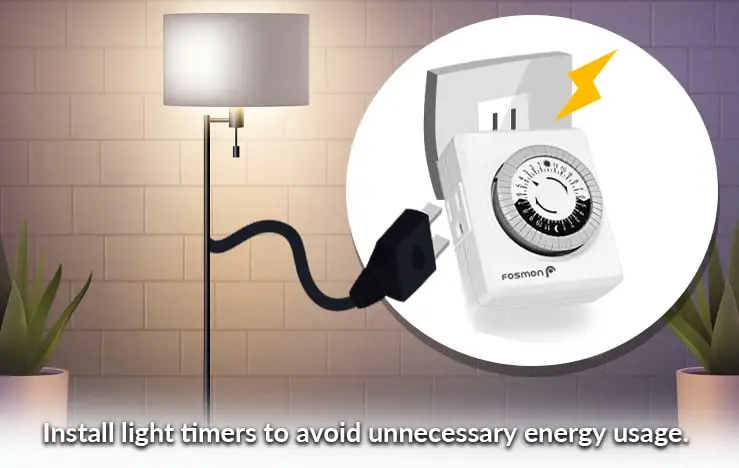
31. Add light timers for security and to cut unnecessary usage.
32. Toss a dry towel in the dryer with wet loads to shave about 20 minutes off drying time.
33. Opt for Energy Star-certified appliances and HVAC gear for top performance with minimal energy draw.
34. Switch to LED or CFL bulbs over incandescents.
35. Avoid halogen bulbs – they’re notorious energy wasters.
36. Pair Energy Star lighting with compatible appliances for compounded savings.
37. Install dimmer switches to use only the light you need.
38. Use manual timers to prevent lights from staying on accidentally.
39. Activate “power save” modes on non-Energy Star devices.
40. Maintain fridge temps between 30 and 42 degrees for optimal efficiency.
41. Upgrade old fridges to Energy Star models – vintage ones guzzle power.
42. Ditch extra fridges in garages if they’re underused.
43. Resist peeking in the oven while cooking.
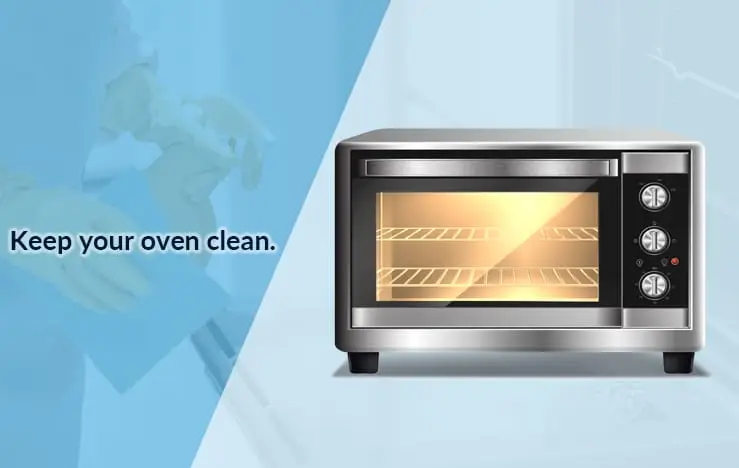
44. Clean your oven regularly – a spotless one heats up faster.
45. Match burner sizes to pots on the stove.
46. Run your dishwasher on economy settings.
47. Wash full loads in the washer and dryer only.
48. Do the same for dishwashers.
49. Use cold water for laundry – detergent works just as well, and clothes last longer.
50. Let clothes air-dry slightly instead of over-drying in the machine.
51. Clean the dryer lint trap after every load.
52. Ensure dryer vents lead outside and function properly.
53. Unplug toasters and similar appliances when idle.
54. Disconnect chargers not in use.
55. Power down electronics completely.
56. Choose an Energy Star TV.
57. Fix leaky faucets pronto.

58. Install low-flow toilets.
59. Add low-flow showerheads.
60. Time showers with a bathroom clock to keep them brief.
61. Check pipes for leaks routinely.
62. Stick to that 120-degree water heater setting.
63. Shut off the water heater during trips.
64. Insulate your water heater tank.
65. Wrap hot water pipes in insulation.
66. Recycle inefficient old appliances.
67. Turn off TVs when not watching.
68. Disable ice makers if unused – they’re energy drains.
69. Air-dry clothes outdoors when weather permits.
70. Fill fridges and freezers to capacity for better efficiency.
Tired of high appliance bills? Let Air-Tro evaluate your home’s systems and suggest upgrades like efficient AC installations – visit our AC installation services page or call us now.
Outdoor and Landscaping Tweaks
Don’t overlook your yard – outdoor choices influence indoor energy needs too.
71. Replace lawns with patios to cut water and maintenance costs.
72. Go for low-water landscaping like xeriscapes that thrive in Pasadena’s climate.
73. Add motion-sensor outdoor lights to illuminate only when needed.
74. Plant shade trees and shrubs on sunny sides to cool your home naturally.
75. Consider reflective roofing materials for heat deflection.
76. Apply reflective window coatings.
77. Mulch gardens to retain moisture and reduce watering.
78. Schedule sprinklers for cooler times, not midday heat.
79. Always use pool covers.
80. Heat pools with solar options.
81. Turn off pool heaters on vacations.
82. Size pool pumps correctly for your setup.
83. Repair broken sprinklers immediately.
HVAC-Focused Strategies for Peak Efficiency
Your heating and cooling system is a major player in electricity use – optimize it for the biggest impact. At Air-Tro, we specialize in these areas.
84. Set thermostats to 68 degrees in winter for comfort without excess cost.
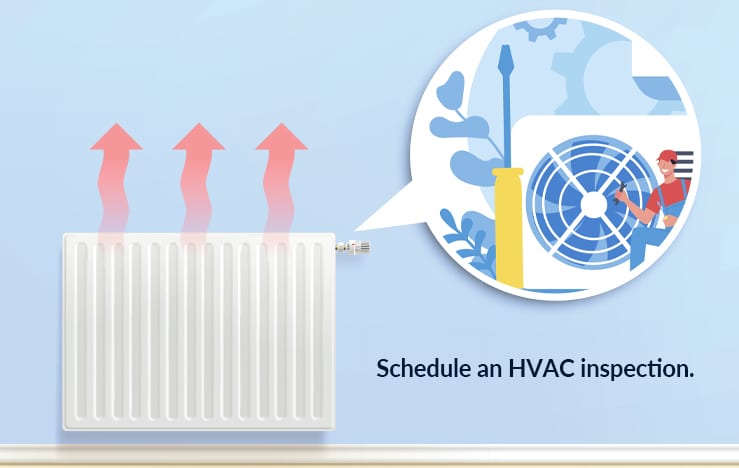
85. Book regular HVAC inspections to catch inefficiencies early.
86. Invest in a programmable or smart thermostat – it can save up to 10% annually on heating and cooling by adjusting temperatures during away hours, according to the U.S. Department of Energy. For Pasadena homes, we recommend energy-saving thermostats that automate adjustments and could trim bills by 10–15%. Learn more about our thermostat installation options.

87. Seal air duct leaks at every joint.
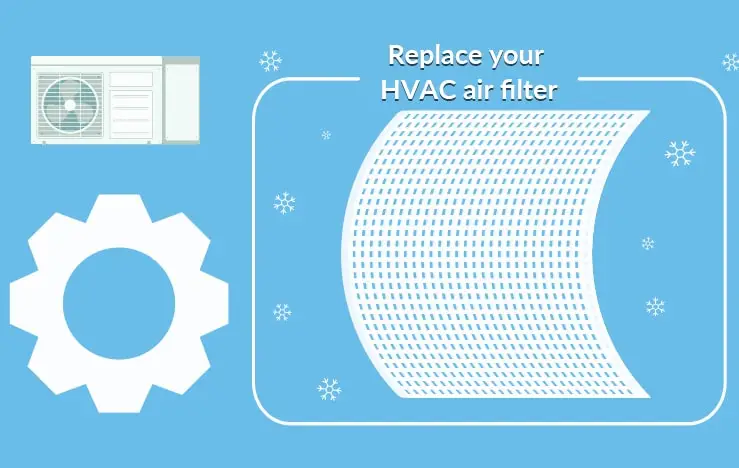
88. Change air filters as recommended – aim for high-efficiency ones like MERV 13, per EPA guidelines, to maintain airflow and system health.
89. Keep vents open, even in unused rooms, to balance airflow.
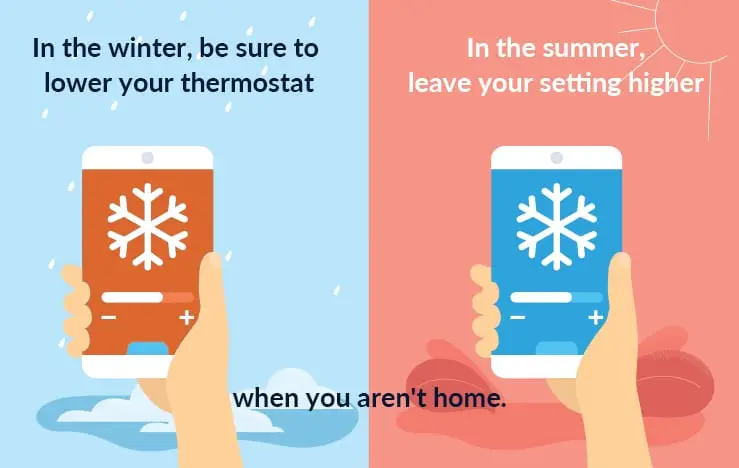
90. Raise summer thermostat settings when away.
91. Lower winter settings during absences.
92. Layer up on cold days and dial back a few degrees.
93. Avoid dipping below 75 degrees in summer.
94. Place thermostats away from drafts or direct sun.
95. Explore heat pumps for versatile heating.
96. Discuss solar-powered HVAC with a pro. For deeper insights on efficient systems like residential boilers, check our guide at Everything You Need to Know about Residential Boilers.
97. Clear vents of obstructions.
98. Consider baseboard heating for zoned efficiency.
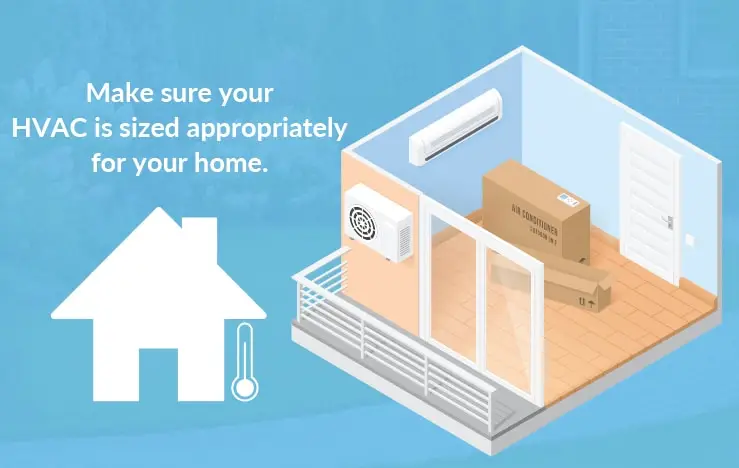
99. Ensure your HVAC matches your home’s size – oversized units waste energy.
100. Shift high-energy tasks like laundry to off-peak hours – check with your utility for rates.
Consider Advanced Alternatives
Modern tech opens doors to even greater efficiency. From solar integrations to heat pumps, options abound. Chat with an Air-Tro specialist about tailoring these to your Pasadena property – explore our air conditioning repair services if your current setup needs a boost.
Frequently Asked Questions
Can Weather Stripping Really Make a Difference in My Energy Bills? Yes, it’s a simple DIY project that seals gaps and can lead to noticeable savings, especially in older Pasadena homes.
How Often Should I Change My HVAC Air Filter? Follow manufacturer guidelines, but high-efficiency filters like MERV 13 should be checked monthly and replaced as needed to keep your system running smoothly.
What’s the Best Thermostat Setting for Saving Electricity? Aim for 68 degrees in winter and 78 in summer when home, adjusting higher or lower when away, per energy experts.
Are Smart Thermostats Worth the Investment? Absolutely – they automate savings and pay for themselves quickly through reduced bills.
How Can Students Save Electricity on a Tight Budget? Focus on no-cost habits like unplugging chargers and using natural light, plus affordable swaps like LEDs.
Unlock Your Savings: 100 Ways to Save Electricity Starts with One Call
You’ve got the tools now to slash your electricity use and enjoy a more efficient Pasadena home. Whether it’s sealing a draft or upgrading to a smart thermostat, these steps add up to real comfort and lower bills. Don’t wait – contact Air-Tro today for an energy audit. We’ll help implement these ideas and more, ensuring your HVAC system works at its best. Call us to get started on saving electricity right away.
Talk to a Specialist Today
Call Air-Tro at 626-357-3535