
Sick Building Syndrome

Is Your Building Paying a Hidden Productivity Tax?
A practical guide to Sick Building Syndrome, indoor air quality and the HVAC issues commercial property owners shouldn’t overlook.
Expert guidance from a licensed Professional Engineer
Written by Robert Helbing, PE
President of Air-Tro | Caltech-trained engineer | 4th-generation contractor
Not every indoor air quality problem announces itself with visible mold, obvious odors, or an HVAC failure.
Sometimes the signs are much less dramatic: stale air, lingering odors, headaches, uncomfortable occupants, reduced concentration – or recurring complaints nobody can quite explain.
That’s part of what makes Sick Building Syndrome worth paying attention to.
According to the EPA, up to 35% of commercial buildings have one or more conditions that may contribute to Sick Building Syndrome.
Could your building be one of them?
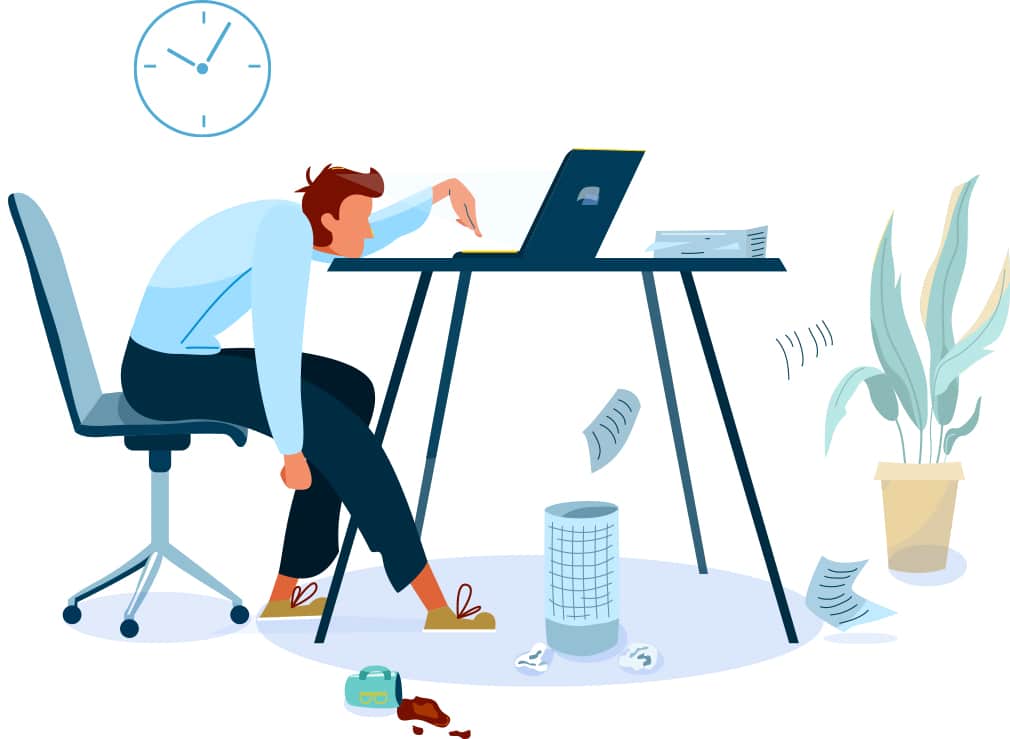
What Could Be Happening Inside Your Building?
Fresh air, effective filtration and regular HVAC maintenance all matter.
Poor ventilation can allow indoor CO₂ levels to rise, contributing to drowsiness, headaches and reduced cognitive performance. Filtration can help control particulates and other airborne irritants. And regular inspection and maintenance can help catch HVAC problems before they become larger air-quality or equipment issues.
Better Air Is Good for People and Good for the Building
A well-maintained HVAC system does more than heat and cool a property. It can support occupant comfort, help reduce indoor air quality problems and protect the long-term value of your commercial real estate investment.
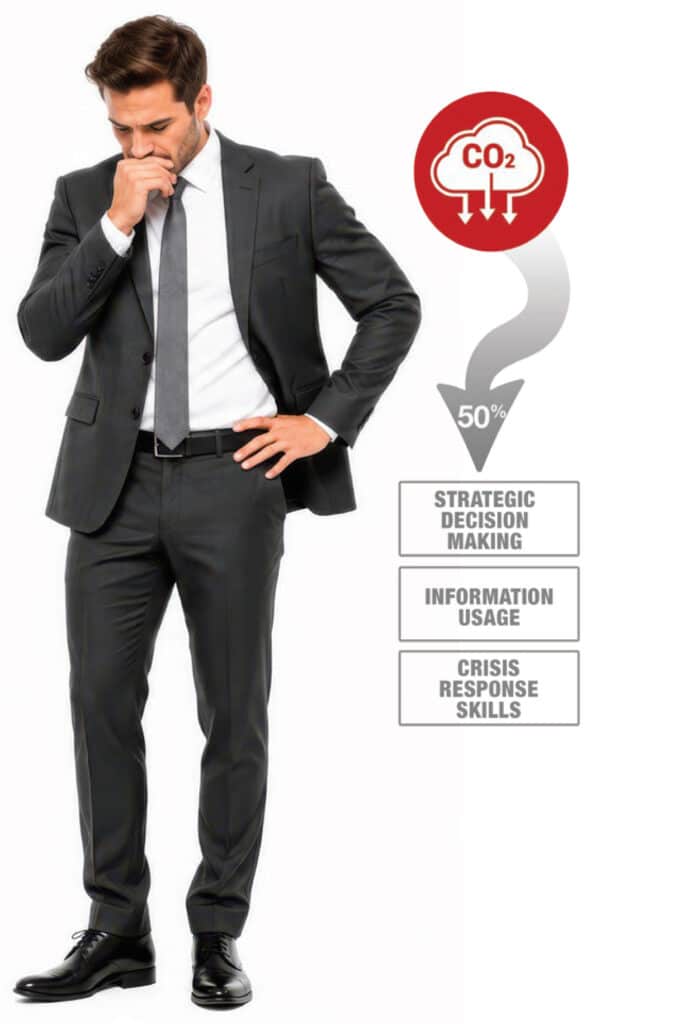
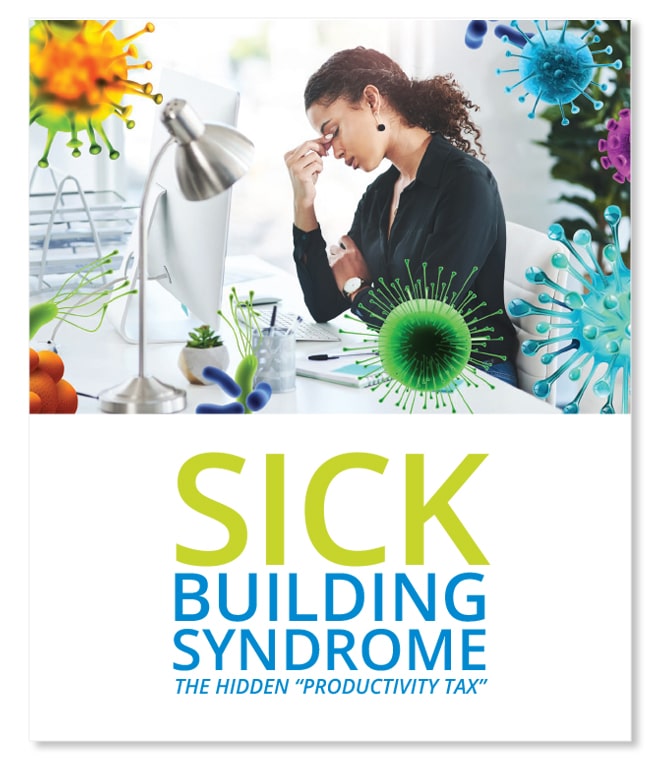
In Sick Building Syndrome: The Hidden “Productivity Tax,” you’ll learn about ventilation, air filtration, source control and preventive HVAC maintenance – and the practical role each can play in creating a healthier, more comfortable building.
You’ll also see why indoor air quality isn’t simply a health issue. It can affect productivity, tenant satisfaction and the performance of your property. The guide specifically explores the “productivity tax” that unhealthy indoor environments can impose on the people working inside them. You don’t need to wait for complaints or a serious problem to start paying attention to the air inside your building.
See what may be worth taking a closer look at in your building.
No obligation. Practical information for commercial building owners, property managers, facilities teams and operations professionals.