CALL 626.357.3535

VRF vs Traditional HVAC in Los Angeles: Side-by-Side Comparison
VRF vs Traditional HVAC in Los Angeles: Side-by-Side Comparison & ROI Calculator
In the heart of Los Angeles, where summer heat waves push temperatures into the high nineties and multi-tenant office buildings, retail spaces, and light-industrial facilities run around the clock, choosing the right HVAC system can make or break your operating budget and tenant comfort. At Air-Tro, we have installed, serviced, and optimized both variable refrigerant flow (VRF) systems and traditional HVAC setups for local businesses since 1969. Over the decades, we have seen firsthand how the right choice translates into lower utility bills, quieter operation, and fewer emergency calls during our infamous Santa Ana wind events.
That is exactly why we created this guide: to give commercial property owners and facility managers in Los Angeles a clear, side-by-side look at VRF versus traditional HVAC systems.
Why the VRF vs Traditional HVAC Conversation Matters in Los Angeles
Los Angeles commercial buildings face unique challenges. Our climate is hot and dry most of the year, with occasional spikes in humidity during marine-layer intrusions. Many properties are older structures with limited roof space or strict Title 24 energy requirements. Traditional systems like packaged rooftop units or constant-volume air handlers have served us well for years, yet more and more LA-area owners are discovering that VRF technology can deliver meaningful efficiency gains while fitting into tighter mechanical footprints.
We regularly walk through buildings in Pasadena, downtown Los Angeles, and the San Gabriel Valley where a traditional system is running at full capacity even when only a few zones need cooling. VRF changes that equation by modulating refrigerant flow to match exact demand. The result? Lower energy use and happier tenants.
How VRF Systems Actually Work Compared with Traditional HVAC
Traditional HVAC systems typically rely on large central equipment – think rooftop units that push conditioned air through ducts to the entire building or water-cooled chillers serving multiple air handlers. These setups are designed to operate at a fixed capacity and often struggle with the part-load conditions that define most LA commercial days.
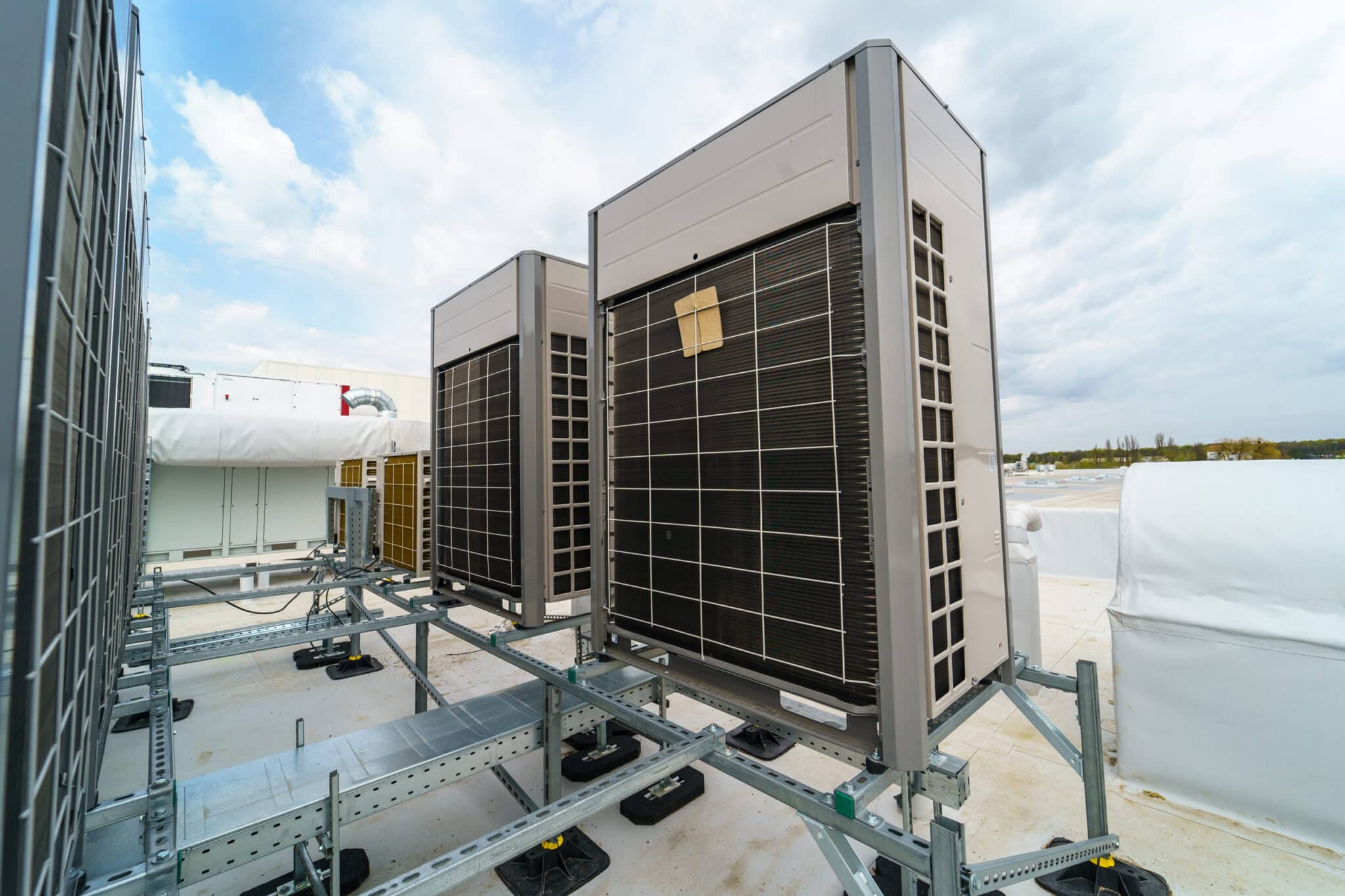
VRF systems, by contrast, use a single outdoor condensing unit connected by refrigerant lines to multiple indoor fan-coil units. The compressor speed varies continuously, and refrigerant is delivered precisely where and when it is needed. In our experience installing these commercial VRF systems in local medical offices and retail centers, we have seen the indoor units quietly maintain exact setpoints room by room without the on-off cycling that wastes energy in older equipment.
VRF systems shine when tenants need independent temperature control, yet they are only one of several commercial options. See which HVAC system fits offices, medical suites, and multi-tenant retail before you lock in equipment.
To learn more about VRF technology, see our full technical overview.
Energy Efficiency & Operating Costs in Real Los Angeles Buildings
One of the biggest advantages we see in the field is energy performance. According to field testing by the U.S. Department of Energy’s Oak Ridge National Laboratory, VRF systems delivered 19.8% energy savings compared with traditional rooftop units when both standby and occupied-hour consumption were measured. Other independent evaluations have shown savings ranging from 20 to 34% depending on building type and climate zone.
For an LA property running air conditioning ten months a year, those percentages add up quickly. We have helped clients reduce their monthly utility spend enough to offset the higher upfront investment within five to seven years in many cases. If you manage a multi-tenant building, the ability to bill individual suites for their actual usage becomes a real financial win.
Installation Time, Space Requirements, and Disruption
Traditional HVAC installations in Los Angeles often require extensive ductwork modifications, crane lifts for rooftop equipment, and days or weeks of downtime. VRF systems install faster because they use slim refrigerant piping instead of bulky ducts. We have completed VRF retrofits in active office buildings with minimal business interruption – something our clients in high-traffic Pasadena retail corridors appreciate.
Space is another factor. Many older LA commercial structures simply do not have room for large air handlers or chiller plants. VRF outdoor units are compact and can be placed on grade, rooftops, or even balconies, freeing valuable mechanical space for other uses.
Maintenance, Lifespan, and Long-Term Reliability
Both systems need regular service, but the approaches differ. Traditional units often require more frequent filter changes and belt inspections because of their large fans and motors. VRF systems have fewer moving parts in the air stream and built-in diagnostics that alert us to issues before they become breakdowns.
In our service logs across hundreds of local properties, we see VRF systems delivering consistent performance for 15–20 years with proper annual maintenance. Traditional rooftop units in the same harsh Los Angeles sun and dust conditions typically last 12–18 years before major component replacement becomes necessary.
Noise Levels and Tenant Comfort
No one wants a loud HVAC system humming above conference rooms or retail floors. VRF indoor units operate at whisper-quiet levels – often below 30 decibels – because they avoid the large blowers found in traditional ducted systems. We have received thank-you notes from property managers whose tenants noticed the difference on day one.
Rebates, Incentives, and Title 24 Compliance in California
California’s Title 24 Building Energy Efficiency Standards continue to tighten, with the 2025 standards taking effect January 1, 2026, and VRF systems help commercial projects meet or exceed those requirements more easily than many traditional options. While the Self-Generation Incentive Program (SGIP) now focuses primarily on battery storage, local utilities such as Southern California Edison and the Los Angeles Department of Water and Power still offer rebates and incentives for high-efficiency HVAC upgrades. We stay current on every program and can guide you through the paperwork so you capture every available dollar.
Which System Is Right for Your Los Angeles Property?
There is no one-size-fits-all answer. Smaller retail spaces or buildings with highly variable occupancy often benefit most from VRF’s zoning flexibility. Larger industrial facilities with consistent loads may still find traditional systems cost-effective. The best next step is a site survey from our team.
If you are weighing your options right now, one quick call to (626) 357-3535 can save you thousands over the life of the system.
Frequently Asked Questions
What Does VRF Stand for and How Does It Differ from Traditional HVAC? VRF stands for variable refrigerant flow. Unlike traditional systems that deliver a fixed volume of air or chilled water, VRF adjusts refrigerant flow to match the exact cooling or heating demand of each zone.
How Much Can a VRF System Save on Energy Bills in Los Angeles? Field studies from the Oak Ridge National Laboratory show average savings of 19.8% versus traditional rooftop units, with some Los Angeles installations achieving 25–34% depending on building use and climate-zone specifics.
Is VRF More Expensive to Install Than Traditional HVAC? Upfront costs are typically higher for VRF, but faster installation, reduced ductwork, and lower lifetime operating expenses often produce a payback period of five to seven years in the Los Angeles market.
Will a VRF System Meet Title 24 Requirements in Los Angeles? Yes. VRF technology is well suited to help commercial projects comply with California’s Title 24 standards, and our team ensures every installation meets or exceeds local code.
How Noisy Are VRF Indoor Units Compared with Traditional Systems? VRF indoor units run significantly quieter – often under 30 decibels – making them ideal for offices, medical facilities, and retail spaces where noise matters.
What Maintenance Is Required for a VRF System in Los Angeles? Annual professional service, filter cleaning, and refrigerant-line checks are standard. The built-in diagnostics make scheduled maintenance more efficient than with many traditional units.
Can Air-Tro Install and Service Both VRF and Traditional HVAC Systems? Absolutely. We design, install, maintain, and repair both system types across Los Angeles and have been doing so for more than five decades.
Ready to Choose the Best HVAC System for Your Los Angeles Building?
The right decision between VRF and traditional HVAC comes down to your property’s specific needs, budget, and long-term goals. At Air-Tro we have helped hundreds of Los Angeles commercial owners make that choice with confidence through our commercial HVAC services and top commercial HVAC systems. Contact our team today for a consultation and custom system recommendation. Call (626) 357-3535 or fill out our online form – your lower utility bills and happier tenants are waiting.