CALL 626.357.3535

Commercial HVAC Summer Preparation for Peak Demand
Preparing Your Commercial HVAC for Summer Peak Demand in Los Angeles and Southern California
Commercial buildings across Los Angeles and the broader Southern California region face intense demands every summer. Rising temperatures, occasional Santa Ana winds, and higher electricity rates during peak hours put real pressure on HVAC systems. When those systems struggle, businesses deal with uncomfortable spaces, higher utility bills, potential downtime, and faster equipment wear.
Proactive commercial HVAC summer preparation helps avoid those headaches. It keeps your building comfortable for employees and customers, supports better energy management during expensive on-peak periods, and protects your investment in the system itself. Air-Tro has supported commercial properties throughout Los Angeles, Pasadena, the San Gabriel Valley, and surrounding areas across Southern California and beyond for decades. We see the same patterns year after year and know what actually moves the needle.
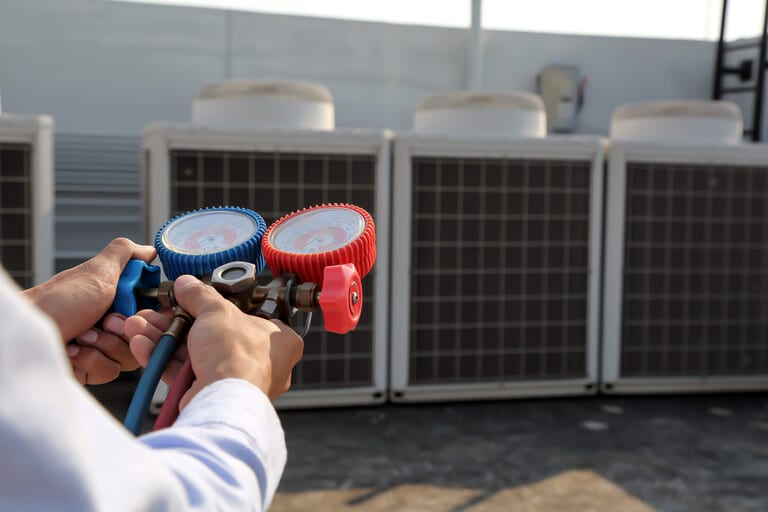
What Summer Peak Demand Means for Commercial HVAC Systems in Los Angeles
Southern California Edison’s time-of-use rate plans make late afternoon and early evening the most expensive window for electricity use during summer months. On many business plans, the highest rates apply on weekdays from 4 p.m. to 9 p.m. between June and September.
Your commercial HVAC system often drives a large share of that usage. In warm climates like ours, cooling and ventilation loads climb sharply during the hottest parts of the day. When multiple buildings across the region ramp up at once, the grid feels the strain and prices reflect it. Planning ahead lets you shift some of that load, improve efficiency, and reduce the impact on your monthly bill.
For a closer look at how these rates work and practical ways to manage them, explore our guide to understanding peak electricity hours for commercial HVAC in Southern California.
Why Thoughtful Commercial HVAC Summer Preparation Pays Off
Waiting until the first heat wave hits usually means higher emergency repair costs and more stress on your equipment. Industry guidelines indicate that well-maintained commercial HVAC systems commonly deliver reliable service for 15 to 20 years. Skipping seasonal checks shortens that window and raises the chance of unexpected failures right when you need the system most.
Beyond equipment life, proper preparation supports Title 24 compliance. The 2025 Building Energy Efficiency Standards took effect in January 2026 and include updated efficiency requirements and guidance around heat pump adoption for certain commercial applications. Planning maintenance and upgrades now helps you stay ahead of those rules while qualifying for available incentives.
Most importantly, it protects daily operations. A comfortable, reliable indoor environment keeps staff productive and customers returning. In our region, where summer heat and occasional air quality challenges from wildfires can coincide, a well-prepared system also supports better indoor air quality strategies.
Your Practical Summer Peak Demand Preparation Timeline
Here is a straightforward timeline you can follow. Adjust dates slightly based on your building’s usage patterns and local weather forecasts, but aim to complete the heavier items as early as possible.
Early to Mid-Spring (March–April): Schedule a full professional inspection and tune-up. Technicians check refrigerant levels, electrical connections, belts, bearings, and overall system performance. They also test economizers and controls so the system can take advantage of cooler outside air when conditions allow. This is the ideal window for any needed repairs before demand spikes.
Late Spring (May): Focus on filters, coils, and drains. Replace or clean filters on the recommended schedule (more frequently in dusty or high-traffic environments). Clean evaporator and condenser coils for better heat transfer. Clear condensate drains to prevent water issues during heavy cooling. Verify that smart thermostats or building automation systems are programmed with appropriate setbacks for after-hours and weekends.
Early Summer (June): Confirm everything is running at peak efficiency before the highest rate periods begin. Review your SCE rate plan and confirm the system is optimized to minimize use during the 4 p.m. to 9 p.m. window where possible. Test all safety and limit switches. If your building has a maintenance contract, this is a good time to confirm the next visit is already on the calendar.
During Peak Months (July–August): Monitor performance closely. Watch for unusual noises, uneven temperatures, or rising energy use. Keep filters on a tight replacement cycle. If wildfire smoke becomes a factor, check that filtration and ventilation strategies are still effective. Have a trusted technician’s number ready for any urgent needs.
Early Fall Review (September): Once the worst heat passes, schedule a post-season check. Note what worked well and what needs attention before next year. This is also a smart time to evaluate any upgrades that could further reduce peak demand or improve efficiency for the following summer.
If any of these steps feel overdue for your property, our team is ready to help with a thorough assessment. Call (626) 357-3535 to get an evaluation on the calendar.
Key Maintenance Tasks That Support Peak Demand Readiness
Focus on these areas for the biggest impact:
- Filter Management: Dirty filters restrict airflow, force the system to work harder, and can worsen indoor air quality. Establish a clear replacement schedule and stick to it.
- Coil Cleaning: Buildup on coils reduces efficiency and raises energy use. Professional cleaning restores performance and helps the system handle high loads without strain.
- Controls & Smart Thermostats: Properly programmed controls prevent unnecessary runtime during lower-occupancy periods and help shift usage away from the most expensive hours.
- Economizer Operation: These components bring in outside air for “free cooling” when conditions are right. A quick check ensures they are functioning and saving energy on milder days.
- Electrical & Safety Components: Loose connections or aging parts can lead to unexpected shutdowns right when cooling demand is highest.
- Drainage & Condensate Systems: Clogged drains cause water damage and can shut down cooling. Clear them before the season intensifies.
Many of these items overlap with the detailed maintenance checklist we include in our commercial HVAC resources. A single well-timed service visit often covers several of them at once.
Smart Operational Steps to Manage Peak Demand and Control Costs
Preparation is not only about the equipment. Small operational adjustments add up:
- Use setbacks or scheduling on your controls so the system is not running at full capacity during low-occupancy times.
- Consider pre-cooling the building slightly earlier in the day when rates are lower, then coasting through the highest-price window.
- Review plug loads. Turning off or powering down non-essential equipment during peak hours reduces the overall demand the HVAC system has to overcome.
- If your building has or is considering a smart thermostat or building automation upgrade, the payback during summer peak periods can be meaningful.
For more targeted strategies around time-of-use pricing and commercial HVAC, our guide to understanding peak electricity hours for commercial HVAC in Southern California offers additional practical steps.
Common Summer Issues That Proper Preparation Helps Prevent
Even with good intentions, some problems surface during the hottest months. Poor airflow from neglected filters, capacitor strain from repeated high-load starts, and refrigerant issues are among the more frequent ones we see in the region. Many of these trace back to deferred maintenance or filters that were not changed often enough in our dusty, high-pollen environment.
Addressing them early through the timeline above usually prevents emergency calls during the most expensive and inconvenient times. For a closer look at specific issues that tend to appear in summer and how to spot them, see our overview of commercial HVAC issues to watch for this summer.
Frequently Asked Questions About Commercial HVAC Summer Preparation and Peak Demand in Los Angeles
What Steps Should Facility Managers Take to Prepare Commercial HVAC Systems for Summer Peak Demand? Start with a professional inspection and tune-up in spring. Clean or replace filters on a regular schedule, verify that coils are clean, test economizers and controls, and confirm your system is optimized for your specific SCE time-of-use rate plan. Following a clear timeline like the one outlined above helps spread the work and avoids last-minute stress.
How Does Summer Peak Demand Affect Commercial Electricity Bills in Southern California? During the 4 p.m. to 9 p.m. window on summer weekdays, electricity rates are highest on most business time-of-use plans. Because HVAC systems often represent a large portion of a building’s load during those hours, even modest efficiency improvements or load-shifting strategies can produce noticeable savings.
When Is the Best Time to Schedule Pre-Season Maintenance for Commercial HVAC in Los Angeles? Late spring, ideally in May, is the sweet spot for most properties. This timing allows any identified issues to be corrected before the highest demand and rate periods arrive in June through September.
Can Smart Thermostats or Building Controls Really Reduce Peak Demand Charges? Yes. When programmed thoughtfully, these systems can pre-cool during lower-rate hours, apply setbacks during unoccupied periods, and give you better visibility into usage patterns. Many building owners see meaningful reductions in peak-period consumption after proper setup and commissioning.
What Role Does Indoor Air Quality Play During Summer Peak Preparation? Hot weather and occasional wildfire smoke increase the importance of good filtration and ventilation strategies. Preparing your system includes confirming that filters are appropriately rated and that ventilation is balanced so you are not bringing in excessive unconditioned air during the hottest parts of the day.
How Long Do Well-Maintained Commercial HVAC Systems Typically Last? Industry experience shows that most commercial systems deliver reliable performance for 15 to 20 years when they receive regular professional care. Skipping seasonal maintenance tends to shorten that lifespan and increases the likelihood of costly failures during peak season.
Does Title 24 Compliance Affect Summer Preparation Plans for Existing Commercial Buildings? The 2025 standards that became effective in 2026 include efficiency requirements that can influence replacement decisions and certain upgrades. Planning maintenance and evaluating equipment now helps you stay compliant and positions you to take advantage of available incentives for higher-efficiency options.
What Should I Do If My System Is Already Struggling Early in the Season? Contact a qualified technician promptly. Continuing to run a stressed system usually leads to larger problems and higher costs. A diagnostic visit can identify whether the issue is something simple like filters or airflow or something that needs more involved repair.
Are There Specific Considerations for Properties in Pasadena, the San Gabriel Valley, or Other Los Angeles-Area Locations? Local conditions such as higher summer temperatures, occasional strong winds, and regional air quality patterns all influence filter loading and system stress. Working with a team that understands these micro-climates helps tailor the preparation steps to your specific building and location.
How Can I Tell Whether My Current Maintenance Contract Covers Peak Season Needs? Review the scope and frequency of visits. Many contracts include spring and fall service, which aligns well with peak preparation. If your agreement does not include priority response during summer or a clear pre-season inspection, it may be worth discussing an adjustment with your provider.
Ready to Optimize Your Commercial HVAC for Summer Peak Demand in Los Angeles and Beyond?
Taking the time now to prepare your commercial HVAC system for summer peak demand in Los Angeles and the surrounding areas protects comfort, controls costs, and extends equipment life. Whether you need a full pre-season assessment, help optimizing controls for time-of-use rates, or simply want a second set of eyes on your current maintenance plan, the Air-Tro team is here to help. We have supported commercial properties across Los Angeles, Pasadena, the San Gabriel Valley, and surrounding communities for more than 55 years. Call (626) 357-3535 today to schedule your summer peak demand preparation review and give your building the reliable, efficient performance it deserves this season and beyond.