CALL 626.357.3535

HVAC Blower Motor Issues: Symptoms, Diagnosis & Repair Guide – San Marino, CA
HVAC Blower Motor Issues: Common Symptoms, Causes & Repair – San Marino, CA
Blower Motor Problems: Common Symptoms and How to Fix Them
Your home’s blower motor plays a quiet but essential role in keeping you comfortable year-round. It circulates heated or cooled air through the ducts, ensuring every room feels just right. When it starts acting up, though, the signs can range from subtle inconveniences to outright discomfort. Many homeowners in the San Gabriel Valley notice these issues during extreme weather, when the system works hardest.
A struggling blower motor not only disrupts comfort but can also drive up energy bills as the system works harder to compensate.
If you have noticed weak airflow, unusual noises, or the blower not running properly, you are likely dealing with a common HVAC blower motor issue. The good news is that many of these problems can be identified early and addressed effectively by a professional.
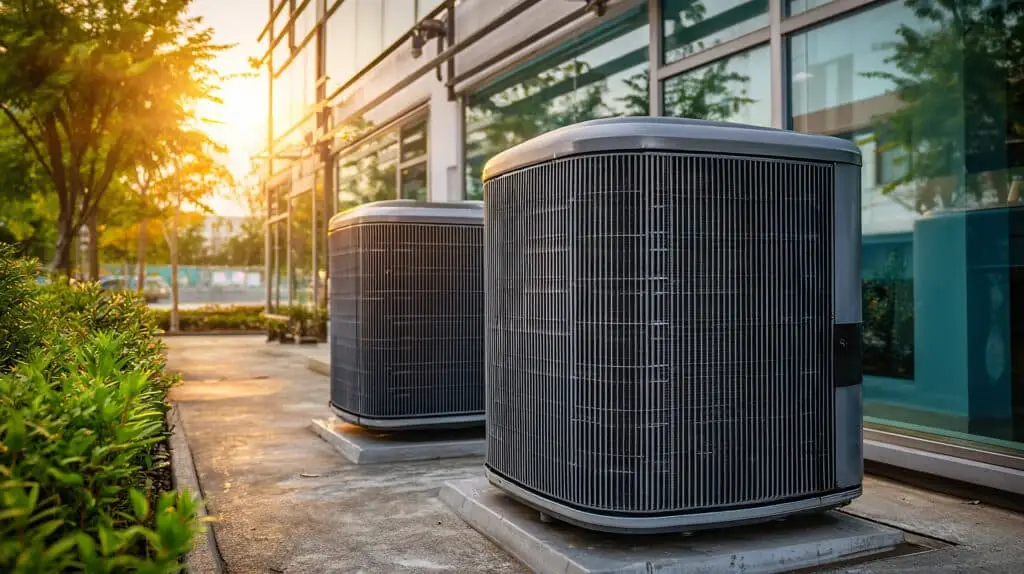
What Does the Blower Motor Do in Your Home’s HVAC System?
The blower motor sits inside your furnace or air handler. It powers the fan that pushes conditioned air into your living spaces.
In older systems with permanent split capacitor (PSC) motors, the blower uses a run capacitor to help start and run efficiently, along with relays and the control board to select different speed taps on the motor windings.
Newer systems use advanced Electrically Commutated Motors (ECM), also known as variable speed or constant torque motors. These modern blowers are far more efficient, quieter, and often eliminate the need for traditional run capacitors. All variable-frequency motors are ECM motors, though some manufacturers use simplified ECM controls that do not offer full variable-speed performance.
Note: ECM motors have been mandatory in new residential furnace manufacturing since July 3, 2019 under U.S. Department of Energy Fan Energy Rating (FER) standards.
For more on the benefits of upgrading to a variable-speed blower, which offers superior comfort and efficiency, explore our guide to variable-speed technology.
Common Symptoms of Blower Motor Problems
Recognizing the early warning signs helps you act before a small issue becomes a major repair. Here are the most frequent indicators homeowners encounter:
Weak or Inconsistent Airflow from Vents
If air trickles out of your registers even when the system runs, restricted airflow could strain the blower motor. Dirty filters, blocked ducts, or a failing motor or capacitor are common causes. Poor airflow can reduce system efficiency significantly.
Blower Operates Only on One Speed
This common issue often points to problems with the control board, a faulty relay, bad wiring to the motor speed taps, or issues with the run capacitor in PSC motors. In ECM systems, it can indicate a problem with the motor module or its controls.
Unusual Noises from the Furnace or Air Handler
Squealing, grinding, or rattling often signals worn bearings, a loose blower wheel, debris, or failing components in the motor assembly. Ignoring these sounds can lead to complete motor failure.
Blower Runs Continuously or Won’t Shut Off
A malfunctioning control board, relay, thermostat, or limit switch can keep the blower cycling unnecessarily, increasing wear and energy costs.
Burning Smell or Overheating
An electrical odor may indicate the motor or capacitor overheating. Modern systems usually shut down to prevent damage, but prompt attention is essential.
If any of these symptoms sound familiar in your Pasadena or San Marino home, reach out to Air-Tro for a thorough inspection. Our technicians can pinpoint the issue quickly and restore proper operation.
Common Causes of Blower Motor Issues in Residential HVAC Systems
Unlike automotive systems, residential and commercial building HVAC systems do not use blower motor resistors. Instead, they typically rely on run capacitors, relays, and the furnace control board to energize and control the blower motor.
The most common electrical failures include:
- Run capacitor failure (very common in older PSC motors) – Causes the motor to hum, fail to start, or run weakly.
- Relay or control board issues – Prevent proper speed selection or cause continuous running.
- ECM motor control module problems (in modern systems) – Can cause intermittent operation or failure to vary speed properly.
The most modern blowers are Electrically Commutated Motors (ECM), which dispense with capacitors in many cases and deliver superior efficiency and comfort. Recurring issues may also signal deeper problems such as restricted airflow or excessive system runtime.
How to Identify and Diagnose Blower Motor Issues
While some basic checks are safe for homeowners, electrical diagnosis should always be left to professionals.
Basic Home Checks
- Replace or clean your air filter if it’s dirty – restricted airflow strains the entire system.
- Listen for unusual sounds and note which fan speeds work.
- Check your thermostat settings and ensure the fan is set to “auto” rather than “on.”
Professional Diagnostic Steps
A qualified technician will:
- Test the run capacitor and motor windings.
- Inspect relays, control board, and wiring connections.
- Measure voltage and amperage to detect strain.
- Examine the blower wheel for balance and debris buildup.
- For ECM motors, diagnose the integrated control module.
For detailed furnace troubleshooting tips relevant to Greater Los Angeles homes, see our comprehensive guide.
Prevention Tips to Extend Blower Motor Life
Regular maintenance goes a long way toward avoiding premature failure:
- Change filters every 1-3 months.
- Schedule annual professional tune-ups.
- Keep vents and returns unobstructed.
- Consider upgrading to a variable-speed ECM blower for reduced wear, quieter operation, and much better efficiency and comfort.
When to Call a Professional for Blower Repair in San Marino and Nearby Communities
DIY fixes have limits when it comes to electrical components. If your blower shows any of the symptoms above, professional service ensures safety and lasting results.
Air-Tro has served San Marino, Pasadena, Arcadia, Altadena, and surrounding areas since 1969. Whether you need capacitor replacement, relay repair, ECM diagnostics, or full motor service, our NATE-certified technicians arrive prepared. Residents in San Marino can learn more about our local heating services here.
Frequently Asked Questions About Blower Motor Issues
What Are the Most Common Signs of a Bad Blower Motor Capacitor? The motor may hum but not start properly, or you may experience weak or intermittent airflow. In some cases the blower stops working on lower speeds.
How Long Does a Typical HVAC Blower Motor Last? With proper maintenance, blower motors typically last 10 to 20 years. ECM motors often last longer due to lower operating stress.
Can I Run My HVAC System with a Faulty Capacitor or Relay? You may still get some airflow (often only high speed), but comfort and efficiency will suffer and the motor can overheat or fail prematurely. Prompt repair is strongly recommended.
Is Blower Motor Capacitor or Relay Replacement Expensive? No – parts and labor for capacitors and relays are generally very affordable compared to full motor replacement. Costs vary by system age and accessibility.
Why Does My Blower Make Noise When Starting? Worn bearings, a loose blower wheel, or capacitor issues are common causes. A technician can determine the exact source.
Will a Bad Blower Motor Affect My AC Performance? Yes – weak airflow reduces cooling effectiveness and can cause the evaporator coil to freeze.
Should I Repair or Replace an Older Blower Motor? If your system is over 15 years old and facing repeated issues, upgrading to a modern variable-speed ECM motor often provides much better long-term value, comfort, and efficiency.
How Often Should I Have My Blower Motor Inspected? Annual maintenance tune-ups include blower inspection, cleaning, and capacitor testing for optimal performance.
Resolve Your Blower Motor Issues with Trusted Local Experts
A reliable blower motor keeps your home comfortable and your energy costs in check. Ignoring early symptoms like weak airflow or strange noises can lead to bigger problems down the line.
If you are experiencing blower motor issues in San Marino, Pasadena, Arcadia, or anywhere along the 210 corridor, Air-Tro is ready to help. Call us today at (626) 357-3535 or schedule service online for fast, professional diagnosis and repair. We’ll get your system running smoothly again, so you can enjoy consistent comfort all year long.