CALL 626.357.3535

Commercial Zoning Systems for Multi-Tenant Properties
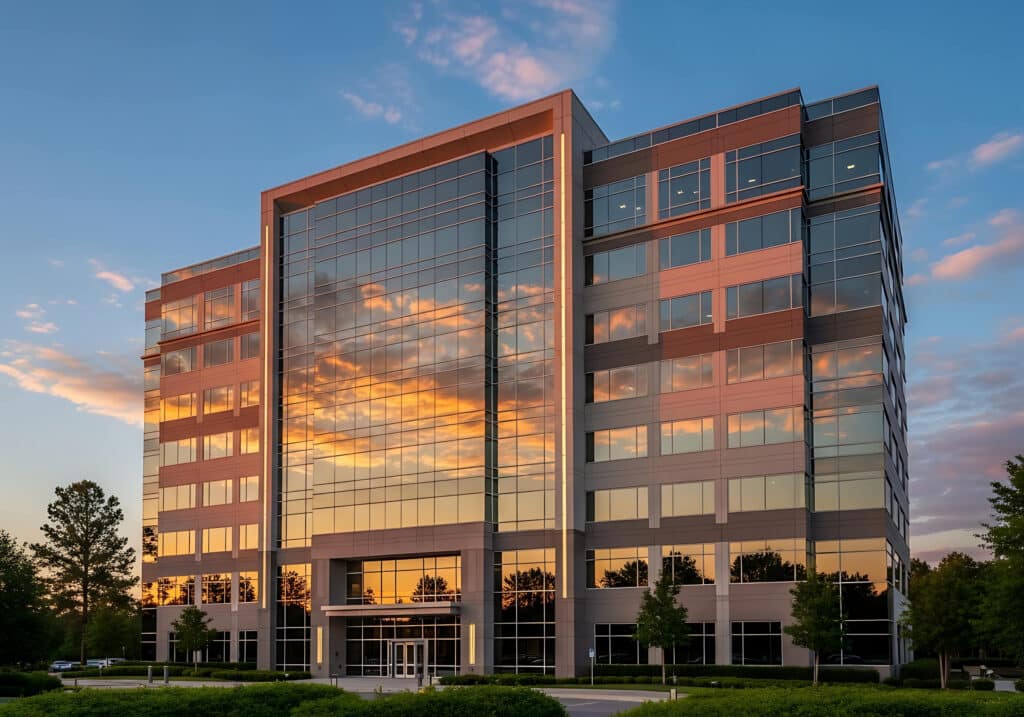
Zoned HVAC Systems for Multi-Tenant Commercial Buildings: Benefits, Design Considerations, and ROI
Managing a multi-tenant commercial building means balancing tenant comfort, energy costs, and operational efficiency every single day. When one suite runs cold while the conference rooms overheat and the retail space on the ground floor demands constant cooling, traditional single-zone systems simply cannot keep up. That is exactly where properly designed zoned HVAC systems shine.
At Air-Tro, we have helped commercial property owners and facility managers across Los Angeles and the San Gabriel Valley solve these exact challenges since 1969. Here, we’ll show you the real advantages of zoning for multi-tenant properties, the design and equipment choices that work best, practical implementation considerations, and how to calculate realistic return on investment. Whether you manage an office building, mixed-use property, or multi-suite commercial space, the principles here apply.
Ready to see what zoning could do for your building? Call us at (626) 357-3535 or request a consultation and one of our commercial specialists will walk you through options tailored to your property.
Why Multi-Tenant Buildings Need Zoning More Than Most
In a single-tenant building, one set of thermostats and a central system can often maintain acceptable conditions. Multi-tenant properties are different. Occupancy schedules vary widely. One tenant may run a high-density open office that generates heat all day, while the neighboring suite houses a quiet professional practice that sits empty after 5 p.m. Perimeter suites face sun load that core spaces never see. Retail or lobby areas have constant door traffic and different humidity needs.
Without zoning, the HVAC system must run hard enough to satisfy the most demanding zone, over-conditioning everything else. The result is higher energy bills, more equipment wear, and unhappy tenants who complain about temperature swings. Zoning solves this by dividing the building into independently controlled areas, so each suite or floor gets precisely the conditioning it needs – nothing more.
A 2017 Pacific Northwest National Laboratory study prepared for the U.S. Department of Energy found that properly implemented building controls, including zoning strategies and setbacks, can reduce commercial building energy consumption by an average of 29%. That figure includes a wide range of building types and climates and underscores just how much waste can be eliminated when systems stop conditioning unoccupied or lightly occupied space. You can read the full report here: Impacts of Commercial Building Controls on Energy Savings and Peak Load Reduction (PNNL-25985).
Comfort and Energy Benefits That Directly Affect Your Bottom Line
Consistent Tenant Comfort: Tenants notice when their space feels right. Zoning eliminates the classic “thermostat wars” between suites and dramatically reduces comfort-related complaints. Happier tenants stay longer and are more likely to renew.
Meaningful Energy Savings: By conditioning only the zones that need it and matching output to actual load, zoned systems cut both fan energy and compressor runtime. The U.S. Environmental Protection Agency notes that converting constant-volume systems to variable air volume (a common zoning approach) can save 10-21% of HVAC energy costs. Combine that with smart setbacks and occupancy-based control, and the cumulative savings become substantial.
Longer Equipment Life: When the central plant or outdoor units no longer run at full capacity simply to satisfy one problem zone, components experience less short-cycling and lower cumulative hours. That translates into fewer emergency repairs and deferred capital replacement.
Easier Tenant Billing and Accountability: Many multi-tenant owners use zoning as the foundation for submetering or allocated billing. When each suite has independent control and measurable energy use, you can fairly pass through costs and give tenants a financial incentive to manage their own thermostats wisely.
Improved Indoor Air Quality Potential: Zoning often pairs naturally with dedicated outdoor air systems or demand-controlled ventilation, letting you deliver fresh air only where and when people are present.
If your current system is already struggling with uneven temperatures or rising utility bills, now is the ideal time to explore a zoning upgrade. Our commercial team regularly evaluates multi-tenant properties throughout Los Angeles and the San Gabriel Valley – including Pasadena, Monrovia, Arcadia, Altadena, and surrounding communities – and can show you exactly what is possible for your building. Call (626) 357-3535 to schedule an assessment.
Design and Equipment Options for Multi-Tenant Zoning
There is no single “best” zoning solution. The right choice depends on building age, existing ductwork or refrigerant piping, mechanical room space, simultaneous heating and cooling needs, and budget. Here are the most common approaches we implement for commercial multi-tenant projects.
Traditional Ducted Zoning with Motorized Dampers: Add zone dampers, individual thermostats, and a control panel to an existing or new central air handler. Ideal for buildings with good ductwork that simply need better control. Works well for smaller multi-suite properties.
Variable Air Volume (VAV) Systems: A central air handler supplies air at a constant temperature while VAV boxes in each zone modulate airflow volume. Excellent for larger multi-story office buildings. Get more details about VAV air conditioning.
Variable Refrigerant Flow (VRF) Systems: One outdoor unit serves multiple indoor units via refrigerant piping. Each indoor unit (or group) acts as its own zone with independent heating or cooling. Heat-recovery VRF can even move heat from one zone to another that needs it. This technology is especially powerful for multi-tenant buildings because it supports individual suite control and often allows tenant-level billing. Review our commercial VRF systems and our detailed VRF vs traditional HVAC comparison for more information.
Multi-Zone Ductless Mini-Split Systems: Multiple indoor heads connected to one or more outdoor units. Outstanding for retrofits, historic buildings, or spaces where ductwork is impractical. We frequently recommend these for multi-tenant setups that need flexible, quiet zoning. Learn more about our commercial ductless mini-split systems and ductless solutions for commercial customers.
Water-Source Heat Pumps: A common loop serves individual water-source heat pumps in each suite. Highly effective for larger multi-tenant or mixed-use buildings that want both zoning and heat recovery. More details are available on our commercial water source heat pumps page.
Hybrid Approaches: Many successful projects combine technologies – for example, VRF for perimeter suites and VAV for the core, or ductless for server rooms and traditional zoning for office floors.
When we design a system, we also consider integration with building energy management systems, so you can monitor, schedule, and optimize every zone from a single interface.
Implementation Considerations Specific to Multi-Tenant Properties
Load Calculations and Zoning Layout: Never guess. We perform detailed Manual J-style load calculations (or commercial equivalents) for each zone, accounting for orientation, occupancy, equipment loads, and schedules. Zones are typically drawn along suite boundaries, floors, or major load differences.
Controls and Thermostats: Programmable or smart thermostats with lockouts prevent tenants from setting extreme temperatures that waste energy. Occupancy sensors or scheduled setbacks further reduce unoccupied loads.
Retrofit Realities: Older buildings often lack adequate return paths or have limited mechanical space. VRF and ductless solutions frequently win here because they require far less ductwork. For historic properties, see our guide on historic buildings and commercial HVAC retrofitting tips.
Title 24 and California Energy Code Compliance: Any new or major upgrade must meet current Title 24 requirements. Proper zoning and controls often help achieve compliance while improving performance.
Phased Installation: Many multi-tenant owners prefer phased approaches, so only one suite is disrupted at a time. We regularly design projects this way.
Commissioning: Especially important with complex zoning or VRF systems. Proper commissioning ensures every damper, thermostat, and indoor unit operates exactly as designed.
If you are evaluating options for an upcoming remodel or tenant improvement, we can coordinate with your general contractor and design team. Reach out through our contact page or call (626) 357-3535.
ROI: What Owners Typically See
Upfront costs for zoning range widely depending on technology and building size. Traditional damper systems are often the most economical add-on. Full VRF or multi-zone ductless installations carry higher initial investment but deliver the greatest long-term control and efficiency.
Payback commonly falls in the 3-7 year range when you factor in energy savings, reduced maintenance, and the ability to attract and retain quality tenants. ENERGY STAR research on tenant spaces notes that energy-efficient buildings can command rent premiums of 2-6% and sale-price premiums of as much as 16%. You can review the DOE/ENERGY STAR feasibility study on energy efficiency in separate tenant spaces here.
Additional value comes from:
- Lower Peak Demand Charges
- Eligibility for Utility Rebates and Incentives (We Help Identify These)
- Reduced Tenant Turnover Costs
- Stronger Positioning When Marketing Vacant Suites
We provide clear, side-by-side ROI projections as part of every commercial consultation, so you can make a data-driven decision.
Frequently Asked Questions
How Many Zones Does a Typical Multi-Tenant Building Need? It depends on the number of suites, orientation, and usage patterns. Many mid-size office buildings end up with one zone per suite or per major exposure. Larger properties may use floor-by-floor zoning plus perimeter zones. We determine the optimal number during the design process.
Can Zoning Be Added to an Existing Commercial HVAC System? Often yes. Damper-based zoning works well with many existing ducted systems. For older or constrained buildings, VRF or multi-zone ductless may be more practical and cost-effective than trying to force zoning onto an unsuitable central plant.
Will Zoning Make My Utility Bills Go Down Immediately? You should see reduced runtime and better part-load efficiency right away. The largest savings appear once schedules, setbacks, and tenant behavior are optimized – typically within the first full year of operation.
Is VRF Always the Best Choice for Multi-Tenant Zoning? Not always, but it is frequently the strongest performer when simultaneous heating and cooling, individual suite control, or limited duct space are factors. We evaluate all options against your specific building and budget. Compare approaches on our VRF vs traditional HVAC page.
How Do Tenants Interact With a Zoned System? They receive a simple thermostat or wall controller for their suite. We can lock temperature ranges so they cannot set extremes that waste energy while still giving them meaningful control.
What About Maintenance? Zoned systems require regular filter changes, damper inspections, and annual professional service – the same as any commercial HVAC system. We offer commercial maintenance programs designed specifically for multi-zone and multi-tenant properties.
Does Zoning Help With California Energy Code Compliance? Yes. Modern zoning and controls make it easier to meet Title 24 requirements for efficiency and ventilation while improving real-world performance.
Ready to Bring True Zoned HVAC Control to Your Multi-Tenant Commercial Building?
Zoned HVAC systems for multi-tenant commercial buildings deliver the precise comfort, energy efficiency, and operational control that today’s property owners and tenants expect. From simple damper upgrades to advanced VRF and multi-zone ductless solutions, the technology exists to transform how your building performs – and how your bottom line looks.
Air-Tro has been designing, installing, and maintaining commercial HVAC systems for multi-tenant properties throughout Los Angeles and the San Gabriel Valley for more than five decades. Our team understands the unique challenges of multi-suite buildings and will give you clear recommendations, transparent pricing, and reliable long-term support.
Take the next step today. Call us at (626) 357-3535 or visit our contact page to schedule a free commercial consultation. Let us show you exactly how zoned HVAC systems can improve comfort, cut costs, and increase the value of your multi-tenant commercial building.